Introduction: Unlock Peak Performance with Precision Recovery
Picture the dedicated runner: they’ve increased mileage, added intervals, and hit every workout. Yet, race times stagnate, aches become persistent, and motivation plateaus. Or consider the gym-goer who pushes heavier weights every session but finds themselves perpetually sore and tired. This common scenario underscores a critical truth: when you rest is as fundamental to progress as how you train.
This is the recovery paradox: more training isn’t always better. Unbridled effort without strategic rest is a direct path to burnout, injury, and stalled gains. The secret weapon for unlocking peak performance isn’t found in another grueling workout; it’s hidden in the precision timing of your recovery. We are moving beyond guesswork into an age of clarity. By leveraging data from wearables and fitness apps, you can pinpoint the exact moments your body is primed for stress or pleading for rest. This transforms recovery from passive downtime into an active, precision tool. This guide to data-driven recovery will show you how to collect this data, interpret the key signals, and apply the insights to train smarter and recover effectively.
Part 1: The Science of Recovery—Why Timing Your Rest is Crucial
Performance improvement is not a simple result of training load; it’s the product of a delicate dance between stress and rest, known as the supercompensation cycle. When you exercise, you apply a stressor that temporarily depletes your body. During recovery, your body doesn’t just return to baseline—it overcompensates, rebuilding stronger. If you apply the next stressor at the peak of this rebound, you progress. If you train too early, you dig a deeper hole. If you wait too long, you miss the adaptation window.

The timing of this cycle is wildly individual. Genetics, age, lifestyle stress, sleep, and training history mean your perfect recovery window is unique. The costs of mistiming are severe: chronic overtraining leads to systemic fatigue, hormonal imbalance, and immune suppression.
This is where recovery data promises liberation. Instead of relying on subjective feeling, we can observe objective, physiological signals. The promise is moving from “I feel tired” to a data-informed decision: “My Heart Rate Variability (HRV) dropped 10% this morning—today is a light day.” To deeply understand this critical metric, our dedicated guide on Unlock Peak Performance and Stress Resilience with Heart Rate Variability explores how to interpret and leverage HRV trends for optimal training decisions.
The Supercompensation Cycle Explained
Think of it as a wave: Training creates a dip (fatigue/stress). Optimal rest allows your body to not only return to the surface but crest higher (adaptation/supercompensation). Training again at that higher crest leads to progress. Training in the dip leads to decline.
Part 2: Key Activity Metrics That Signal Recovery Needs
To navigate this cycle precisely, you need a dashboard of reliable recovery metrics. These are the vital signs of your training readiness.
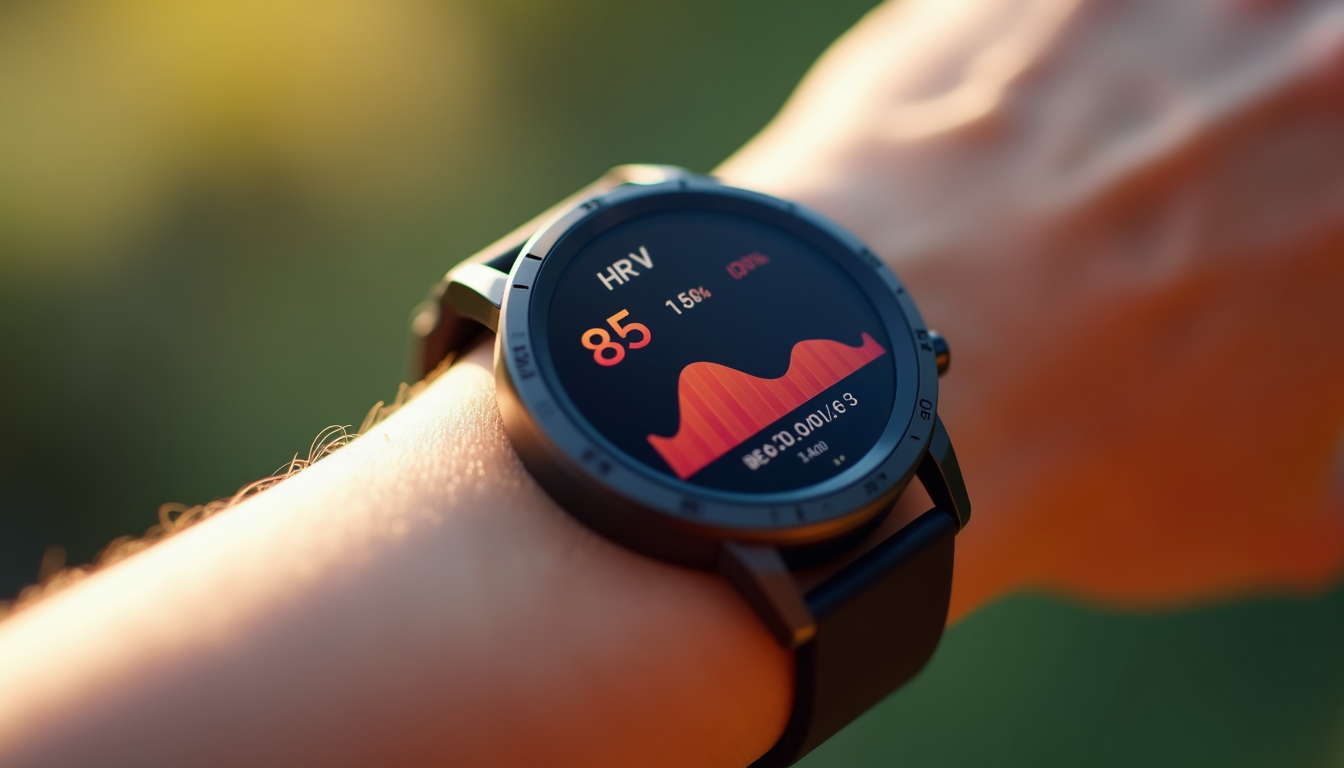
- Heart Rate Variability (HRV): The gold standard for assessing autonomic nervous system balance. It measures the subtle variations in time between your heartbeats. A higher, stable HRV typically indicates a relaxed, recovered state. A significant drop suggests stress or insufficient recovery. The RMSSD parameter is most commonly used for athletes as it best reflects vagal activity. Research shows gradually increasing average HRV correlates with improved aerobic fitness and recovery ability, while declining trends can signal maladaptive states like overtraining — Kubios HRV Training Blog.
- Resting Heart Rate (RHR): Measured first thing in the morning, an elevated RHR relative to your baseline is a classic indicator of physiological strain from training, illness, or stress.
- Sleep Quality & Duration: Data on deep sleep, REM cycles, and consistency reveals how effectively your body is executing repair processes. A high “sleep score” is a green light; fragmented sleep is a warning. For a comprehensive look at optimizing this foundational pillar, see our article on The Power of Sleep: Unlocking Restorative Rest for Holistic Wellbeing.
- Activity Load & Strain Scores: Devices synthesize daily data into a single “strain” or “load” score, quantifying total stress. Tracking this against recovery metrics reveals your personal tolerance.
- Performance Metrics: Look for discrepancies. If your perceived exertion for a standard workout is suddenly high, or your power/pace is lower, your body is signaling fatigue.
- Subjective Measures: Never discard intuition. Log mood, energy, and muscle soreness. When subjective and objective data align, the signal is strong.
Short-term, HRV recovery post-exercise coincides with the restoration of bodily systems. Long-term, higher and more stable resting HRV profiles are associated with greater fitness gains across populations — Kubios HRV Training Blog.
Part 3: Gathering Your Recovery Data—Tools of the Trade
Building your recovery intelligence system requires the right tools and disciplined habits.
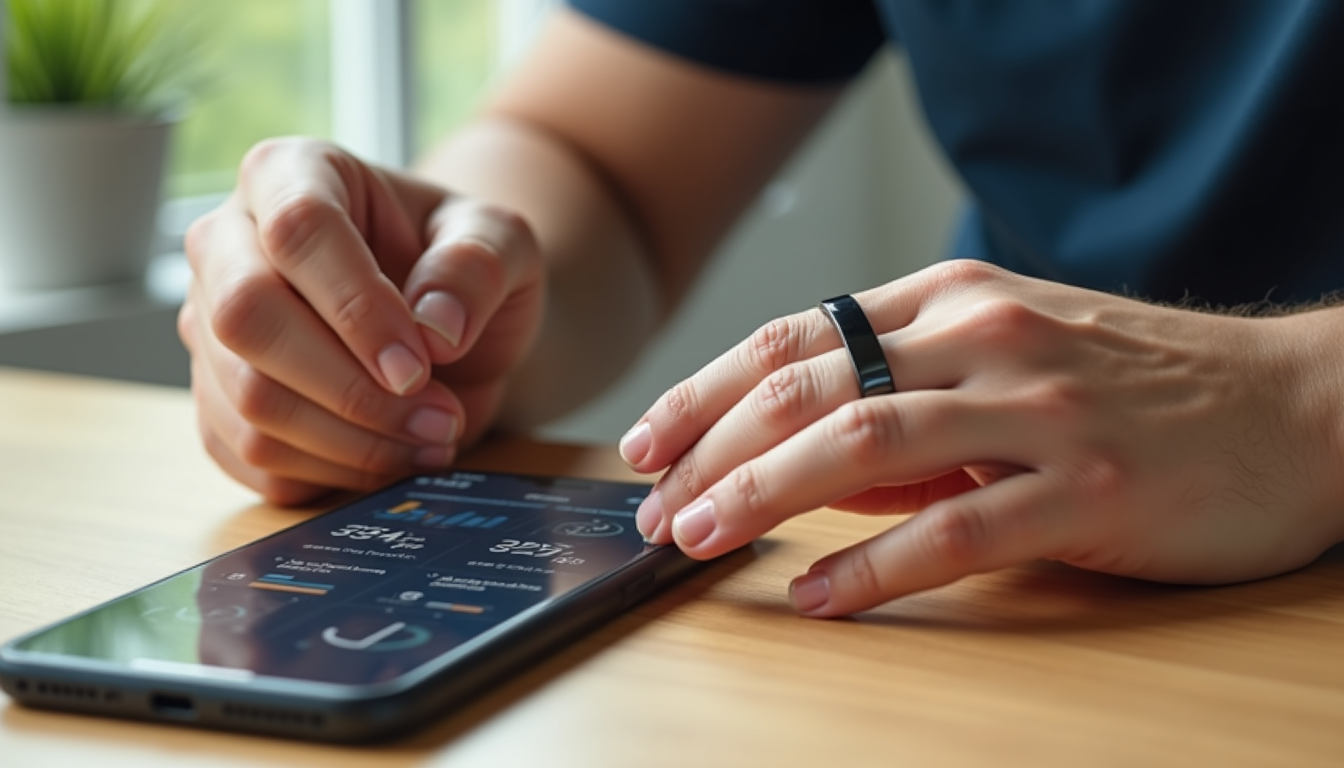
- Wearables: The frontline data collectors. Devices like the Whoop strap, Oura Ring, Garmin watches, Apple Watch, and Fitbit provide recovery algorithms, sleep, and heart rate data. Choose based on metrics and form factor.
- Mobile Apps & Journals: Standalone apps like HRV4Training or Athlytic offer focused analysis. A simple spreadsheet logging morning HRV, RHR, and sleep can be powerfully insightful.
- Creating a Personal Baseline: Data is meaningless without context. Establish your personal “normal” through consistent measurement for 2-4 weeks during stable training. The normal HRV range is personalized; platforms like Kubios use a 3-month rolling baseline for its Readiness Index — Kubios HRV Training Blog.
- Data Hygiene for Accuracy: Consistency is paramount. Measure HRV and RHR daily, first thing in the morning, before coffee or movement, after a consistent wake-up time.
Part 4: Interpreting the Data—When to Push and When to Pause
With data flowing and a baseline set, interpretation becomes your daily ritual. Think of it as a traffic light system for your training intensity.
"HRV-guided training prescribes moderate/high-intensity workouts when daily HRV is within or above an individual's normal range." — Kubios HRV Training Blog
- Green Light (Full Recovery): Your HRV is stable or trending upward. RHR is at or below normal. Sleep score is high. You feel energized. This is the day for your planned high-intensity session. Your body is signaling readiness.
- Yellow Light (Proceed with Caution): There’s a slight dip in HRV or a minor RHR elevation. You have some sleep debt. The protocol advises reducing training intensity whenever daily HRV decreases — Kubios HRV Training Blog. Modify your session: swap a tempo run for a steady run, reduce weight or volume. Also avoid more than two consecutive days of high-intensity work.
- Red Light (Rest Day Needed): A significant HRV drop (e.g., >10% from baseline). A clearly elevated RHR. Very poor sleep. High device fatigue score. This is a clear signal of systemic stress. Take a rest day or engage only in light, restorative activity. Balancing all your body's signals is key; our guide on Balance Activity, Sleep, and Stress for Lasting Gains provides a framework for synthesizing these data points into a sustainable plan.
Context is Key: Always layer life stress onto device metrics. A red light might be triggered by a stressful work week, poor nutrition, or travel. The data alerts you; your discernment diagnoses the cause.
Part 5: Applying Recovery Intelligence—Practical Training Strategies
Interpreting signals is the science; applying them is the art of smart training.

- Dynamic Rest Scheduling: Abandon the rigid, pre-written plan. Create a flexible weekly template. Each morning, check your readiness score to decide whether to execute, modify, or swap a session. This creates a responsive, auto-regulating program.
- Micro-Recovery During Workouts: Use real-time data intra-workout. If your heart rate is abnormally high for a given effort, consider extending rest or cutting the session short.
- Optimizing Tapering for Events: Long-term trend data is invaluable for peaking. Observing your response to load reductions helps optimize your taper before a race.
- Balancing Life Stress: Your wearable doesn’t distinguish between gym stress and work stress. Seeing metrics degrade despite light training can prompt you to address non-training stressors like sleep or workload.
✅ The Data-Driven Training Advantage
HRV-guided training is associated with improved submaximal performance, similar or better performance and fitness, and fewer non-responders compared to fixed plans — Kubios HRV Training Blog. These benefits are often achieved with a reduced volume of moderate- and/or high-intensity training.
Part 6: Avoiding Common Data-Driven Recovery Pitfalls
While powerful, data-driven recovery is not without its traps.
- Data Obsession: Don’t become a slave to the numbers. If your device says “green” but you feel utterly drained, listen to your body. Metrics are guides, not commands.
- Misinterpreting Metrics: One bad data day is not a trend. Look at patterns over days and weeks.
- Over-reliance on Technology: Devices can have errors. Use them as a primary source, but cross-check with subjective feeling and performance.
- Neglecting the Fundamentals: Data enhances, but does not replace, the pillars of recovery: quality sleep, balanced nutrition, proper hydration, and stress management.
Part 7: The Future of Data-Driven Recovery and Performance
The frontier of recovery intelligence is rapidly expanding.
- Artificial Intelligence and Predictive Analytics are beginning to process long-term data to forecast future risk, potentially warning of injury days in advance.
- Personalized Recovery Protocols could generate tailored recommendations based on your unique data history.
- Integration with Coaching allows for shared data dashboards, enabling collaborative, dynamic planning that responds to the athlete’s physiological state in real-time.
Conclusion: Train Smarter with Precision Recovery
Precision recovery turns rest from a passive necessity into an active, strategic performance booster. By harnessing activity data, you learn to listen to your body with unprecedented clarity, distinguishing between the fatigue that calls for a push and the fatigue that demands a pause. This isn’t about working less; it’s about working smarter. You have the tools—wearables, apps, and knowledge—to move beyond guesswork. Start tracking one key metric tomorrow. Establish your baseline. Begin the journey of training not just with passion, but with intelligence. Ready to apply these principles and start collecting your own health data? Register for our health tracking platform to begin your personalized, data-driven journey to peak performance today.