Introduction: The Problem with One-Size-Fits-All Fasting
You’ve heard the hype. You read the blogs. You committed to a classic 16:8 intermittent fasting schedule, expecting a surge of energy, effortless weight management, and sharper mental clarity. But instead, you found yourself battling mid-afternoon crashes, irritability, and a stubborn scale. The promise of a metabolic revolution feels like yet another fitness fad that didn’t deliver for you. This frustration is incredibly common, and it stems from a fundamental flaw in most fasting advice: it treats our bodies as identical machines.
The truth is, the magic of intermittent fasting isn't found in the clock alone. It’s found in the alignment between your eating window and your body’s unique, internal rhythms. Your optimal fast isn’t dictated by a trendy protocol; it’s encoded in your personal data signature—the interplay between your blood glucose levels and your daily activity patterns. This article will guide you beyond guesswork into precision. We’ll explore how you can use simple, accessible data to decode your body's signals and design a personalized intermittent fasting schedule that truly works for your energy, metabolism, and goals.
Part 1: Understanding Your Body's Two Key Signals for Personalizing Intermittent Fasting
To personalize your fast, you must first understand the two primary languages your body uses to communicate its needs and state: blood glucose and physical activity.
1.1 Blood Glucose: The Master Energy Metric for Metabolic Health
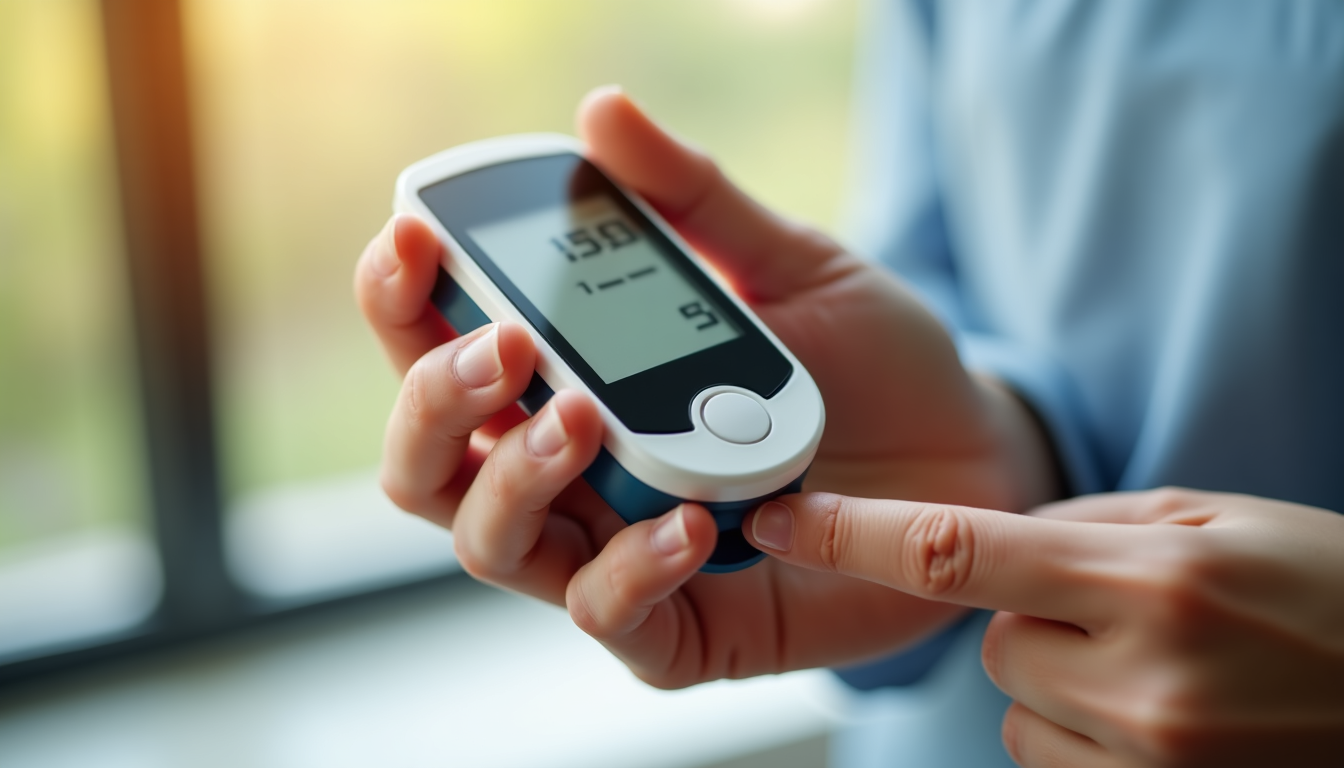
Blood glucose, or blood sugar, is the concentration of sugar circulating in your bloodstream, serving as your body's primary fuel source. For personalized intermittent fasting, glucose isn’t just a number; it’s the central plot of your metabolic story.
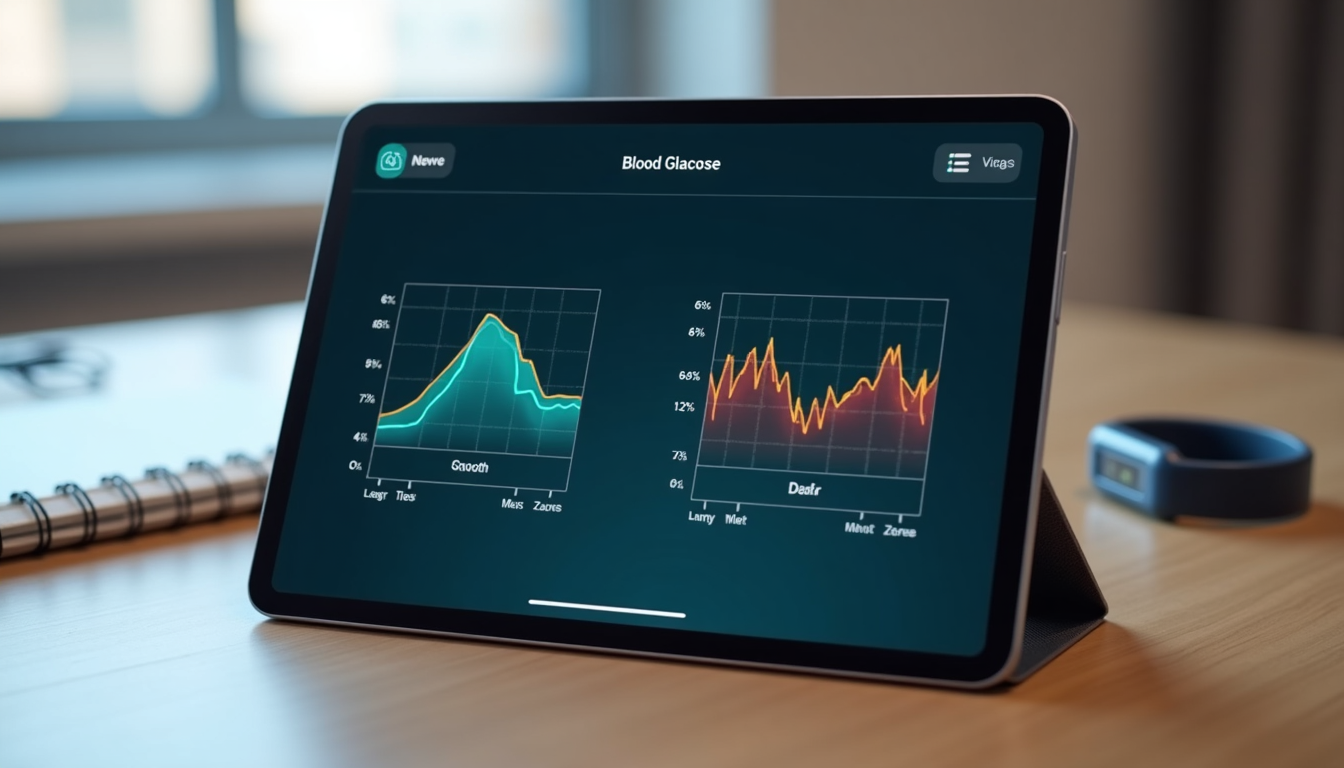
The core aim of fasting is to enhance metabolic flexibility—your body’s ability to efficiently switch between using glucose for energy and tapping into stored fat. This requires improving insulin sensitivity so that glucose is managed smoothly, without dramatic peaks and valleys. To dive deeper into how to train your body for this fuel-switching efficiency, our guide on how to master metabolic flexibility offers targeted strategies. The ideal fasting pattern shows a flat, stable glucose curve during the fasting period, indicating your body is calmly burning fat. When you eat, the goal is a controlled, modest rise in glucose followed by a steady return to baseline, not a sharp spike and precipitous crash that leaves you hungry and tired.
The Goal: A Smooth Glucose Curve
Think of your ideal daily glucose graph as a gentle hill, not a mountain range. A stable fasting level followed by a moderate post-meal rise and smooth decline signals good metabolic health and a fasting protocol that suits you.
1.2 Activity & Movement: The Demand Signal for Fuel Timing
Activity is your body’s energy demand signal. This includes not only scheduled workouts but also your Non-Exercise Activity Thermogenesis (NEAT)—the energy used for walking, standing, fidgeting, and all daily movement. Your activity pattern directly conflicts or synergizes with your fasting schedule.
Exercise creates an immediate need for fuel. Timing your eating window to either fuel upcoming activity or optimally recover from it can drastically affect performance, muscle preservation, and how your body manages glucose. For athletes, strategic nutrition timing is crucial; learn more in our article on meal timing for athletes to maximize performance. The critical insight comes from understanding the synergy: how your blood glucose responds to activity differs profoundly depending on whether you are fasted or fed.
Recent research underscores this. A key study published in Diabetologia found the prandial state (fasted vs. fed) is a more dominant factor influencing blood glucose response to exercise than exercise intensity itself — Diabetologia 2022. This means whether you ate beforehand may be more important than how hard you train.
"Prandial state (fasted vs. fed) is a more dominant factor influencing blood glucose response to exercise than exercise intensity itself." — Diabetologia 2022
Historical studies showing blood glucose increases during high-intensity exercise were predominantly conducted in a fasted state after an overnight fast. Conversely, when exercise is performed in a fed state (3-5 hours after a meal), the mean blood glucose change is a decrease — Diabetologia 2022. This creates a clear personalization rule: you need to know how your body reacts in both states.
Part 2: Gathering Your Data Signature (The Self-Experiment)
Personalization requires data. This isn't about complex lab tests, but about smart self-tracking over a focused period to establish your baseline.
2.1 Tools of the Trade for Tracking Fasting Data
You need simple tools to capture your signals: * Blood Glucose Monitoring: For deep, continuous insight, a Continuous Glucose Monitor (CGM) provides real-time graphs. For a more accessible approach, a standard finger-prick glucose meter used at key moments is perfectly sufficient. The goal is to see patterns. * Activity Tracking: Use your smartphone, a fitness watch, or a simple pedometer. Log not just steps, but periods of higher intensity (e.g., your workout). * The Essential Journal: A notebook or app to log meals, sleep quality, stress levels, and subjective scores for energy, hunger, focus, and mood (1-5 scale). This context is vital for interpreting the numbers.

2.2 The Baseline Week Protocol for Intermittent Fasting
Follow this structured 7-day experiment to collect your initial data signature.
Pick a Standard Protocol
Choose a common fasting window, like 16:8, and adhere to it strictly for the full week. Keep meal composition relatively consistent.
Track Key Data Points
Glucose: Take readings at wake-up, before and 1-2 hours after your first meal, before your last meal, and at bedtime.
Activity: Note timing and intensity of workouts and sedentary periods.
Subjective Notes: Rate energy, hunger, focus, and mood at least 3 times daily.
This baseline creates a map of how your body currently operates under a generic fasting rule.
Part 3: Decoding the Patterns & Personalizing Your Fasting Window
Now, analyze your data to find clues and craft your custom protocol.
3.1 Analyzing the Blood Glucose Story
Look for these common patterns in your glucose data to optimize your fasting schedule:
- Pattern A: The Stable Performer: Your glucose stays flat and low during the fast, with modest post-meal rises. This suggests your current window is a good fit. You can fine-tune around activity.
- Pattern B: The Morning Spiker: You have high fasting glucose right after waking. This could be the "dawn phenomenon" or reflect poor sleep/stress. A longer evening fast or shifting your eating window later might help.
- Pattern C: The Crash Artist: Your glucose dips sharply mid-fast, often accompanied by intense hunger, shakiness, or brain fog. This hypoglycemic response means your fast may be too long, or your last meal lacked sustaining protein/fat.
- Pattern D: The Slow Returner: Glucose spikes high after meals and stays elevated for hours. This may indicate insulin resistance. A longer fasting window or reducing refined carbohydrates could be beneficial.

3.2 Syncing with Your Activity Rhythm
Here’s where you merge your glucose story with your daily movement. Use the research insight: Performing exercise in a fed state is more likely to lead to blood glucose declines, while fasted exercise tends to lead to increases or stability — Diabetologia 2022.
| Activity Profile | Key Question | Data-Driven Insight |
|---|---|---|
| The Early Exerciser | Do you train fasted in the AM? Does your glucose stay stable or crash? | If stable, a post-workout eating window may work. If you crash, you may need to eat beforehand. |
| The Afternoon Athlete | Should your window open before to fuel, or after to recover? | Check performance and glucose. If fed training causes a big drop, fasted training might be better. |
| Sedentary Day / Active Evening | You're desk-bound until evening. | A later eating window aligning with your evening activity burst might improve glucose control and satiety. |
For example, data from the aforementioned study shows that performing high-intensity exercise in a fed state results in a mean blood glucose decrease of -1.0 +/- 2.3 mmol/L — Diabetologia 2022. If you see sharp declines when training fed and your goal is stability, experimenting with fasted morning exercise could be beneficial. Conversely, if you experience hyperglycemia or instability with fasted exercise, shifting your eating window to fuel activity might be the better personal strategy.
3.3 Crafting Your Custom Intermittent Fasting Protocol
Combine your glucose pattern and activity profile to make intelligent adjustments.
- For Stable Glucose + Morning Exercise: Your body handles fasted activity well. Try a 14:10 or 16:8 protocol with your eating window starting immediately after your workout.
- For High Waking Glucose + Sedentary Job: The dawn phenomenon might be pronounced. Experiment with a longer morning fast (18:6), pushing your eating window to midday or early afternoon.
- For Mid-Fast Crashes + Afternoon Slump: Your current fast is likely too long or your last meal was inadequate. Try a shorter fast (12:12 or 14:10) or increase healthy fats and protein in your last meal.
⚠️ The Iterative Process
Your first custom protocol is a hypothesis, not a final answer. Implement your new window for another 5-7 days, track the same data, and compare. Did your glucose stabilize? Did your energy improve? This cycle of test-measure-adjust is the core of true personalization.
Part 4: Advanced Considerations & Long-Term Strategy for Personalized Fasting
Once you've mastered aligning your fast with glucose and activity, other powerful factors come into play for fine-tuning.
4.1 Beyond the Basics: Sleep, Stress, and Menstrual Cycle
Your data signature isn't isolated. It's influenced by other key life rhythms: * Sleep: Poor or insufficient sleep can elevate cortisol, which directly raises waking blood glucose. Prioritizing sleep may flatten your glucose curve more than any fasting change. For a comprehensive look at optimizing this critical pillar, explore our article on the power of sleep for holistic wellbeing. * Stress: Chronic stress has a similar glucose-elevating effect via cortisol. Notice if high-stress days correlate with worse glucose patterns. * Menstrual Cycle: For women, hormonal fluctuations across the cycle can significantly impact glucose regulation and energy needs. You may find your optimal fasting window naturally shifts during different phases.

4.2 The Dynamic, Long-Term Approach
Your optimal fasting window is not a permanent, fixed setting. It’s a dynamic protocol that should evolve with your life. * Seasonal Changes: Activity levels often change with seasons. * Changing Goals: Shifting from weight loss to muscle building requires reevaluating fuel timing. * Life Stages: Stress, work schedules, and family demands change.
The goal is to build the skill of listening to your body through data. Periodically (e.g., every 3-6 months), re-run a condensed version of your baseline experiment to see if your needs have changed.
You now have the framework. The power lies in your own data.
Start your baseline week. Move from follower to pioneer of your own health.
Conclusion: Your Fast, Your Signature
The journey from a generic, frustrating fasting experience to a personalized, empowering one begins with a shift in perspective. Stop asking, “What fasting window should I use?” Start asking, “What does my body’s data tell me it needs?” By tracking your blood glucose and activity rhythms, you move from applying external rules to decoding your internal language. This process turns intermittent fasting into a truly personalized tool for metabolic health, sustained energy, and well-being—a tool you control, informed by the unique signature of your own body. Ready to start tracking your unique data signature? Register for our platform to begin your personalized health journey today.