Meta Description: Move beyond generic diet advice. This comprehensive guide to macronutrient tracking teaches you how to use data on protein, carbs, and fats to optimize energy, body composition, and performance through personalized, evidence-based nutrition.
We live in an age of nutritional paradox. Information is abundant, yet rates of metabolic dysfunction and confusion about what to eat remain high. Generic advice like "eat clean" is well-intentioned but insufficiently precise. To truly optimize health, performance, and body composition, we must embrace a personalized, evidence-based approach.

This is the power of macronutrient tracking. By shifting from vague notions of "healthy eating" to the precise measurement of your protein, carbohydrate, and fat intake, you transform your diet from a guessing game into a data-driven experiment. This process unlocks personalization that can optimize energy, sharpen mental clarity, enhance athletic performance, and help you achieve specific body composition goals with precision.
This definitive guide will take you from understanding the fundamental "what" and "why" of macronutrients, through the practical "how" of effective food tracking, to the advanced analysis that turns raw data into actionable, personalized insights.
Part 1: The Foundational Framework – Understanding Macronutrients and Their Roles
To master your macros, you first need to understand the unique roles each one plays. They are far more than just sources of calories; they are essential building blocks and signaling molecules that dictate how your body functions, feels, and performs.
A. The Big Three Macronutrients Defined:
-
Protein: The Building & Metabolic Regulator. Comprised of amino acids, protein is fundamental for building and repairing tissue, synthesizing hormones, and supporting immune function. Critically, it plays a powerful metabolic role. Clinically, high-protein diets are defined as providing 27–35% of total energy from protein or 1.07–1.60 g/kg of body weight per day. Protein increases satiety by elevating appetite-suppressing hormones (GLP-1, cholecystokinin, peptide YY) and reducing the hunger hormone ghrelin. It also has a higher diet-induced thermogenesis than carbs or fats, meaning your body burns more calories digesting it, and it helps preserve calorie-burning muscle mass during weight loss.
-
Carbohydrates: The Primary Fuel Source. Carbs are your body's preferred source of energy, especially for high-intensity brain and muscle function. It's critical to distinguish between types for optimal nutrition tracking:
- Fiber & Complex Carbs (vegetables, legumes, whole grains): Provide sustained energy, support gut health, and modulate blood sugar. For a holistic approach, consider how these foods contribute to optimizing your gut microbiome, a key factor in overall metabolic and immune health.
- Simple Carbs (sugars, refined grains): Provide rapid but short-lived energy, useful in specific contexts like athletic performance but can lead to energy crashes when over-consumed.

- Fats: The Essential Regulator. Fats are vital for hormone production, forming cell membranes, absorbing fat-soluble vitamins (A, D, E, K), and providing a dense, sustained energy source. Healthy fats support brain health, reduce inflammation, and contribute to long-term satiety.
B. Why Macronutrient Ratios Matter More Than Just Calories:
While total calorie intake determines weight loss or gain, macronutrient partitioning—where those calories come from—determines what kind of weight change occurs and how you feel. A calorie is not just a calorie when it comes to body composition and metabolic health.
Greater fat loss and greater fat-free mass retention, respectively, from high-protein vs. standard-protein diets during energy restriction.
— Meta-analysis in *Clinical Nutrition*High-protein diets are clinically proven to enhance body composition by reducing fat mass while preserving fat-free mass (muscle), even under energy restriction, as demonstrated in a meta-analysis in Clinical Nutrition. Different macro ratios serve as tools for different goals: higher protein for fat loss and muscle retention; higher carbs for endurance performance; balanced, fiber-rich ratios for metabolic health.
C. Debunking the "One-Size-Fits-All" Macro Myth:
There is no perfect macro ratio for everyone. Your ideal macronutrient intake is dictated by key variables: * Body Composition & Goals: A 200-lb athlete building muscle needs vastly more protein and total calories than a 140-lb individual aiming for fat loss. * Activity Type & Level: A marathon runner will thrive on a different carb intake than a powerlifter. For athletes, strategic meal timing is also a powerful performance lever, a topic we cover in depth in our guide on meal timing for athletes. * Age, Sex, & Health Status: Metabolic rate, hormone profiles, and health conditions all influence optimal macros. * Bioindividuality: How you personally respond to different foods and ratios is the most important data point.
Key Takeaway: Personalization is Key
Effective macronutrient tracking isn't about following a universal template. It's about discovering the unique ratio of protein, carbs, and fats that helps *your* body perform and feel its best based on your personal goals and lifestyle.
Part 2: The Tracking Toolkit – Practical Steps for Data Collection and Consistency
With a foundational understanding in place, the next step is gathering accurate data. Consistency in tracking is more valuable than perfection.
A. Choosing Your Food Tracking Method:
- Digital Food Scales: The undisputed gold standard for accuracy. Weighing food, especially proteins and calorie-dense items, eliminates guesswork.

- Nutrition Tracking Apps: These are the engines of convenience, providing extensive food databases and macro calculators.
MyFitnessPal
Vast database, user-friendly. Best for beginners, but requires diligence with user-submitted data accuracy.
Cronometer
Gold-standard for micronutrient tracking. Uses curated, verified data sources. Ideal for the detail-oriented.
MacrosFirst
Streamlined, macro-focused interface. Excellent for hitting specific macro targets without clutter.
* The Hand-Portion Method: A practical, less precise alternative for maintenance phases or when scaling isn't feasible (e.g., palm for protein, cupped hand for carbs, thumb for fats).
B. Building a Sustainable Tracking Habit:
Adopting the right mindset and practices is crucial for sustainable nutrition tracking. * Logging Best Practices: Consider pre-logging your day's meals. This acts as a nutritional blueprint, removing decision fatigue. Log consistently—even on "cheat days." This non-judgmental data is invaluable. * Common Tracking Pitfalls: The most frequent errors are forgetting cooking oils and condiments; blindly trusting inaccurate app entries; and "guesstimating" portions. * Mindset Shift: Frame tracking not as a lifelong prison of numbers, but as a finite period of focused education. It’s a 4-12 week self-experiment to learn how your body responds to food.
Part 3: The Analysis Phase – Translating Macronutrient Data into Personal Insight
Raw data is meaningless without interpretation. This phase is about connecting the dots between what you ate and how you felt and performed.
A. Moving Beyond the Daily Total:
Don't obsess over hitting your numbers perfectly every single day. Instead, focus on weekly macro averages. This smooths out daily fluctuations and reveals true trends. Did you average 120g of protein this week vs. your 140g target? That’s a meaningful insight.
B. Correlating Macros with Key Outcome Metrics (The "So What?"):
This is the heart of data-driven nutrition. Keep a simple daily note on: * Energy & Mood: Did a very low-carb day lead to afternoon brain fog? * Performance & Recovery: How did your strength correlate with your pre-workout carb intake? * Hunger & Satiety: Which meals kept you full for hours? * Body Composition: Connect your 3-4 week macro averages to changes in scale weight, measurements, or progress photos.
The Nutrition Feedback Loop
Your tracking app tells you the "input." Your energy log, workout performance, and hunger cues are the "output." Nutritional analysis is the process of linking the two to find your personal optimal formula.
C. Identifying Personal Dietary Patterns & Triggers:
Your log becomes a diagnostic tool. You might discover that a certain type of processed carbohydrate consistently leads to bloating, or that skipping an afternoon protein snack triggers evening cravings. This is bioindividuality in action.
Part 4: Optimization & Personalization – Making Data-Driven Adjustments
With insights in hand, you graduate from passive tracking to active optimization through a deliberate, iterative process.
A. The Iterative Process of Precision Nutrition:
Precision nutrition is a cycle: Track → Analyze → Adjust → Repeat. Make a small, informed change, track the results, analyze the new data, and decide on the next step.
B. Strategic Macro Adjustment Scenarios:
- Goal: Fat Loss (Prioritizing Muscle Retention): Hold protein high to preserve muscle and promote satiety. Make small, incremental reductions in calories from carbohydrates and/or fats based on your energy and hunger feedback.
- Goal: Muscle Gain ("Lean Bulking"): Increase total calories strategically, primarily from carbohydrates and fats to fuel training, with a moderate increase in protein.
- Goal: Enhanced Athletic Performance: Optimize carbohydrate timing. Ensure adequate carb intake before, during, and after training to replenish glycogen stores.
- Goal: Metabolic Health & Stability: Experiment with moderating overall carbohydrate intake, focusing on fiber-rich sources, and timing them around activity to support healthy blood sugar. Enhancing your body's metabolic flexibility—its ability to switch fuel sources efficiently—is a cornerstone of this stability, a concept detailed in our article on mastering metabolic flexibility.
⚠️ The Golden Rule of Macro Adjustment
Change only one major variable at a time (e.g., reduce daily carbs by 20g) and give it 2-4 weeks to assess the trend. Changing multiple variables simultaneously makes it impossible to know what caused any result.
Long-term trials show that high-protein diets not only promote weight loss but also help prevent weight regain.
C. When to Stay the Course vs. When to Pivot:
Be patient. Physiological changes take time. If you're seeing positive trends in your key outcome metrics, stay the course. Pivot only when you have a clear, multi-week data trend showing a stall or negative outcome, and then adjust methodically.
Part 5: Advanced Considerations & Building a Long-Term Nutrition Strategy
The ultimate goal is to build lasting, intuitive healthy habits, not to track forever.
A. Micronutrients Matter Too:
Macros provide the foundation, but vitamins and minerals are the essential catalysts. Use a detailed app periodically to audit your intake of iron, magnesium, vitamin D, etc., and adjust your food choices within your macro framework to ensure sufficiency.
B. Food Quality & Honoring Bioindividuality:
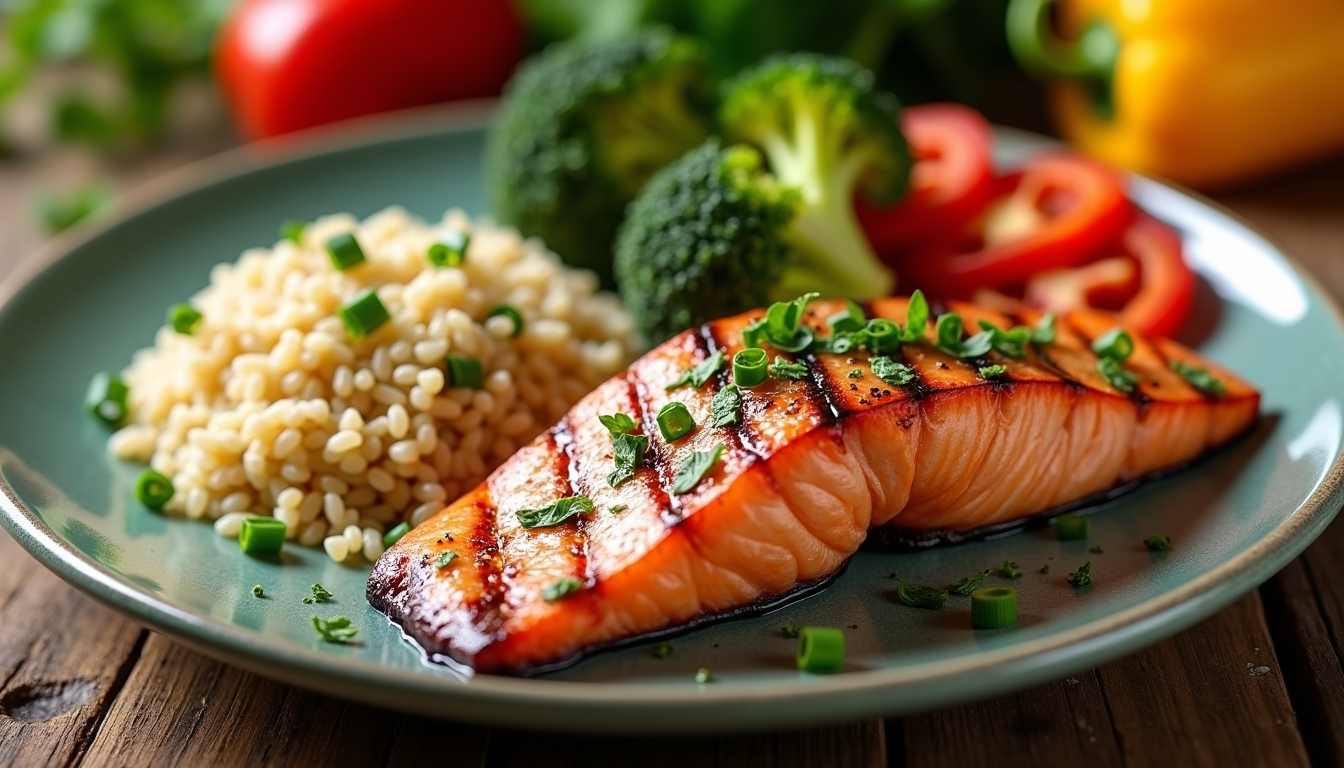
Thirty grams of protein from a processed bar is not metabolically equivalent to 30 grams from salmon. The whole-food source comes with beneficial nutrients and fiber. Respect your bioindividuality—if your data shows certain foods cause issues, prioritize foods that make you feel your best.
"In healthy adults, high-protein diets have been shown to have no adverse effects on bone density or renal function, supporting their safety for long-term use."
— Clinical Nutrition Meta-AnalysisC. From Rigorous Tracking to Intuitive Eating:
The end goal is to graduate from rigid tracking. After several months of diligent tracking and analysis, you develop an internalized understanding of how food affects your unique body. You’ll be able to estimate portions, construct satisfying meals, and interpret your body's signals with accuracy. Tracking becomes a tool you revisit periodically for fine-tuning. You transition from following external rules to leveraging internal wisdom, empowered by data for long-term health.