Personalized Microbiome Optimization: Unlocking the Path to Holistic Health
Introduction
The human microbiome, the vast and diverse community of microorganisms that inhabit our bodies, has emerged as a crucial frontier in the pursuit of holistic health and wellness. As our understanding of this intricate ecosystem deepens, the concept of personalized microbiome optimization has gained significant traction, offering a promising approach to tailoring health interventions to the unique needs of each individual.
The Importance of the Human Microbiome
The human microbiome plays a vital role in various aspects of our health, from immune function and digestion to mental well-being and disease prevention. Optimizing the delicate balance of this microbial community can unlock profound benefits for our overall well-being.
Understanding the Human Microbiome
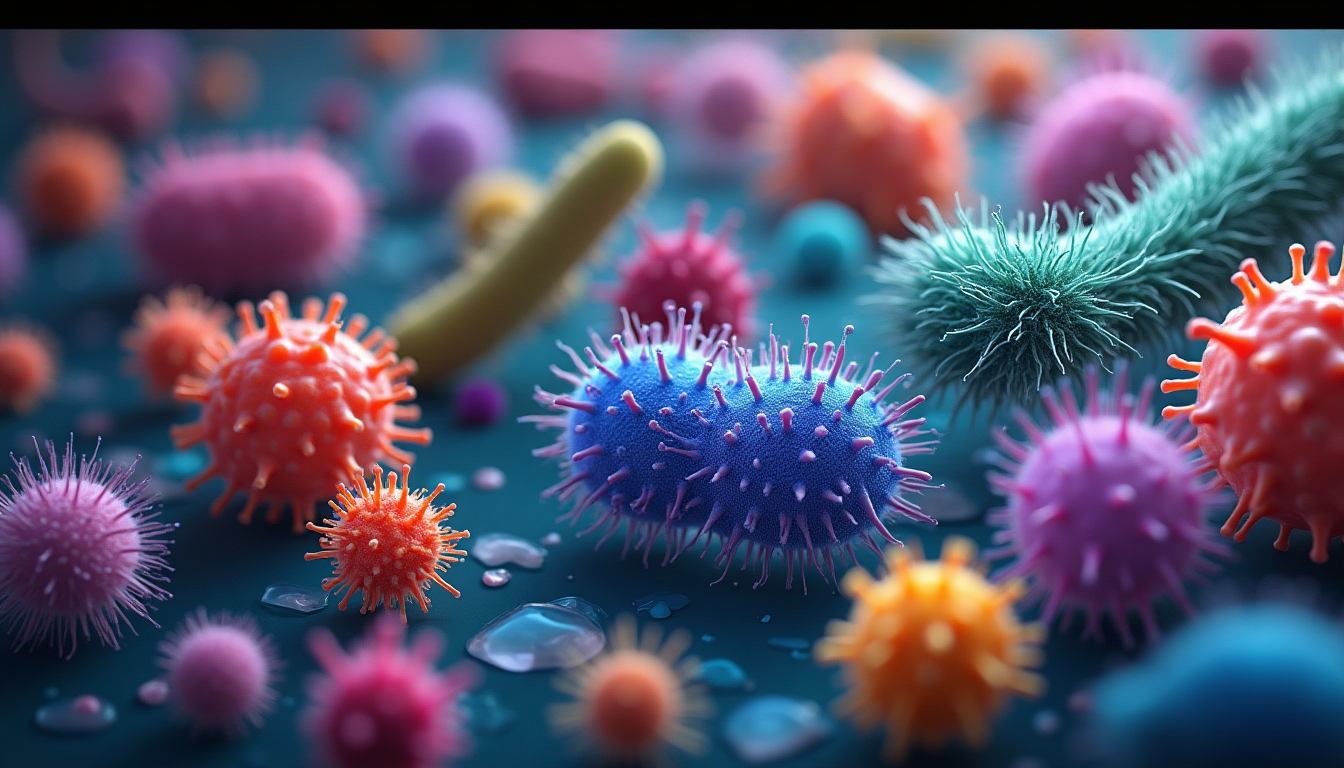
The human microbiome is a remarkably complex and diverse ecosystem, with even healthy individuals harboring remarkably distinct microbial communities across different body habitats. This diversity is influenced by a multitude of factors, including diet, environment, host genetics, and early microbial exposure. Even healthy individuals differ remarkably in the microbes that occupy habitats such as the gut, skin and vagina, with much of this diversity remaining unexplained.
🚀 Composition and Diversity of the Microbiome
The Human Microbiome Project has found that the diversity and abundance of signature microbes vary widely even among healthy individuals, with strong niche specialization both within and among individuals. This remarkable personalization of the microbiome has significant implications for health and disease.
"Each body habitat in almost every subject was characterized by one or a few signature taxa making up the plurality of the community, with less dominant taxa also highly personalized, both among individuals and body habitats."
— Nature
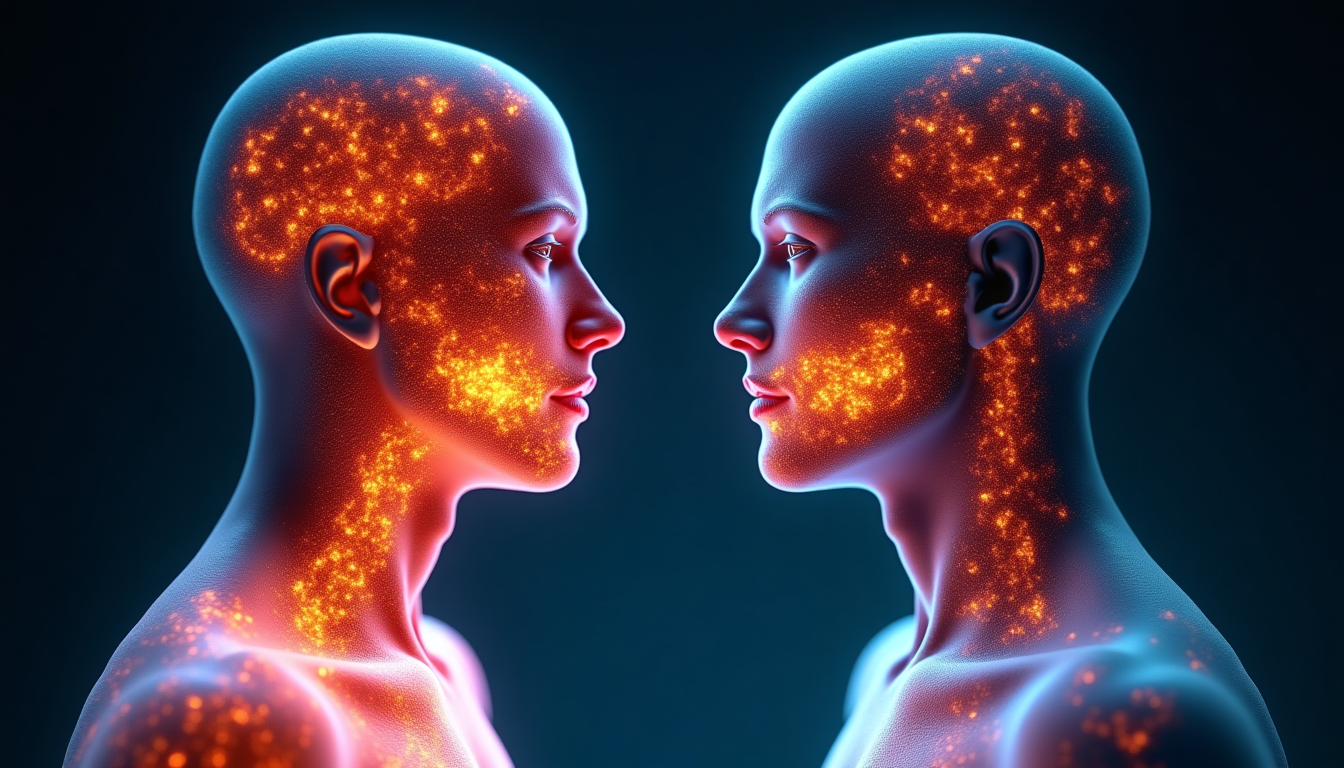
The role of the microbiome in health and disease is equally profound. Healthy microbiota communities often demonstrate high taxonomic diversity, high microbial gene richness, and a stable core microbiota. Conversely, dysbiosis, or an imbalance in the microbial community, has been linked to a wide range of health issues, from gastrointestinal disorders to chronic diseases and cancer.
⚠️ The Consequences of Microbiome Dysbiosis
Dysbiosis can increase host susceptibility to infection and lead to a range of health problems, depending on the anatomical site involved. For example, individuals with breast cancer have been more likely to have certain bacterial species in their breast tissue compared to healthy individuals.
Personalized Microbiome Analysis
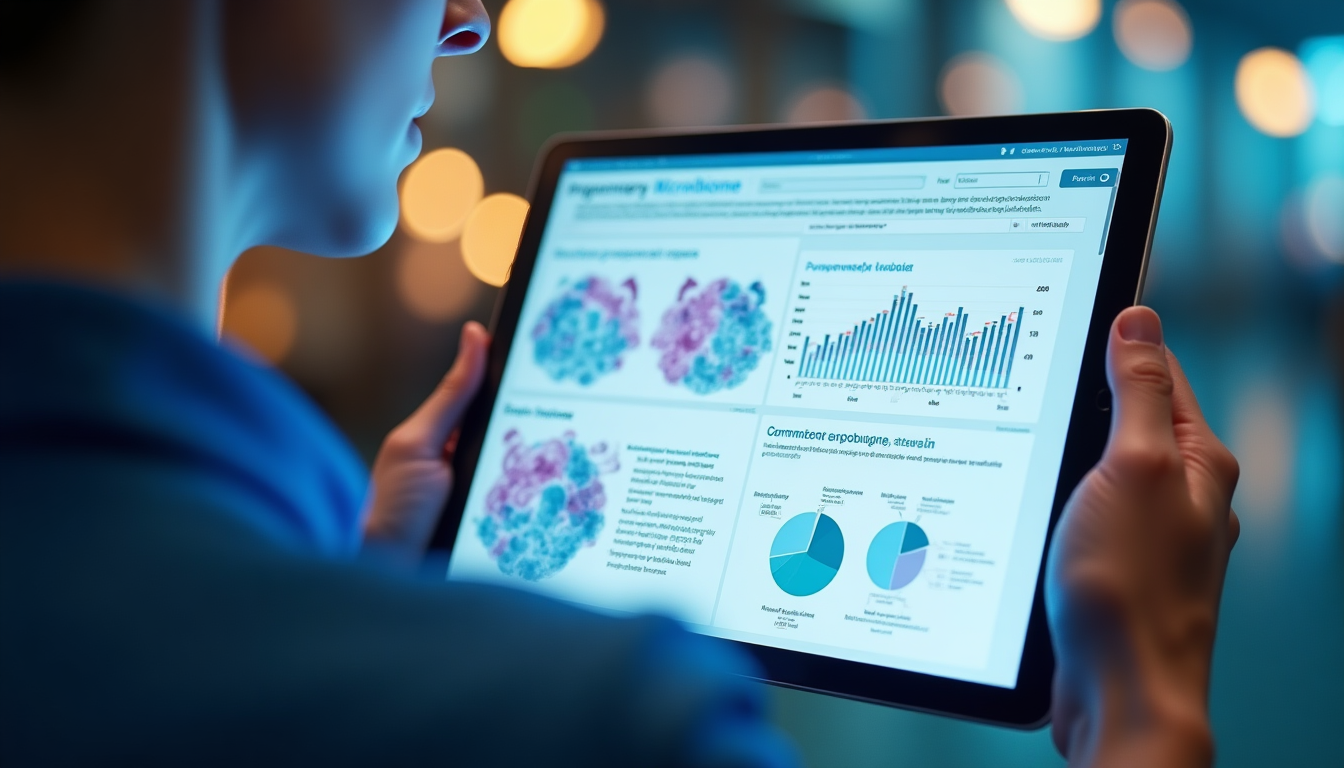
Advancements in microbiome testing and analysis have paved the way for more comprehensive and individualized assessments of the gut microbiome. Techniques such as gut microbiome profiling, which analyze the composition and functional capacities of an individual's gut microbial community, are becoming increasingly accessible and informative.
✅ The Power of Gut Microbiome Profiling
The Gut Microbiome Wellness Index 2 (GMWI2) can distinguish healthy individuals from those with disease with an impressive 80% accuracy, and even surpasses 90% accuracy for samples with higher confidence. This level of precision opens the door to personalized interventions tailored to an individual's unique microbial landscape.
Strategies for Microbiome Optimization
Armed with a deeper understanding of an individual's microbiome, personalized strategies for optimization can be implemented. These approaches often involve a combination of dietary interventions, lifestyle modifications, and targeted supplementation.
Dietary Interventions
Prebiotic and probiotic foods can nourish and cultivate a healthy microbiome, while personalized dietary recommendations take into account an individual's unique microbial profile and preferences.

🚀 The Power of Prebiotics and Probiotics
Beneficial bacterial strains, such as Lactobacillus and Bifidobacterium, are linked to anti-inflammatory effects that may provide protection against malignancy. Incorporating these microbes through prebiotic and probiotic-rich foods can be a powerful tool in microbiome optimization.
Lifestyle Modifications
Beyond diet, lifestyle factors such as exercise, stress management, and sleep hygiene can also significantly impact the microbiome and overall health.

of users see improvement
Targeted Supplementation
Personalized supplementation protocols, including probiotics and postbiotics, can further fine-tune the microbiome to address specific imbalances or health concerns.
| Supplement | Benefits | Considerations |
|---|---|---|
| Probiotics | Can help restore microbial balance and support immune function. | Strain-specific effects, potential for side effects, and individual responsiveness should be considered. |
| Postbiotics | May offer additional benefits beyond live probiotics, such as anti-inflammatory and immune-modulating effects. | Emerging field, with less research compared to probiotics. |
Personalized Microbiome Therapy
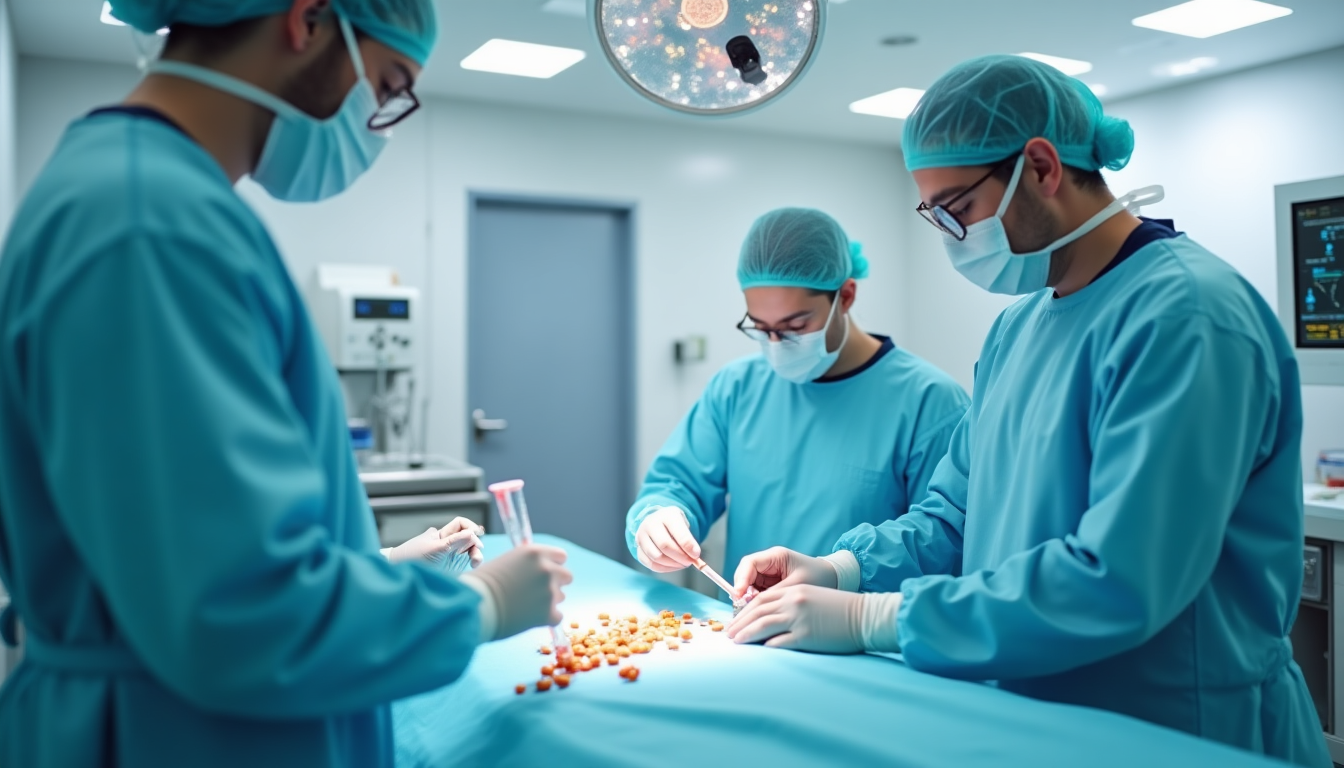
In more complex or treatment-resistant cases, personalized microbiome therapy, such as fecal microbiota transplantation (FMT) and phage therapy, may be explored as promising avenues for restoring microbial balance and improving health outcomes.
Fecal Microbiota Transplantation (FMT)
FMT involves the transfer of fecal matter from a healthy donor to an individual with a dysbiotic microbiome, aiming to restore microbial balance and alleviate associated health conditions.
Phage Therapy
Phage therapy utilizes bacteriophages, viruses that specifically target and eliminate harmful bacterial species, as a targeted approach to microbiome restoration.
Emerging Treatments
Researchers are exploring innovative microbiome-based therapies, such as engineered probiotics and microbial ecosystem therapeutics, to address complex health challenges.
Challenges and Considerations
While the promise of personalized microbiome optimization is substantial, there are important challenges and considerations to address. Individual variability in microbial responsiveness, ethical and regulatory aspects, and the need for continued research to fully unlock the potential of this field must be navigated with care.

⚠️ Individual Variability and Responsiveness
Individuals may respond differently to the same interventions due to the highly personalized nature of the microbiome. Understanding individual responsiveness is crucial for developing effective personalized strategies.
"The decrease in the anaerobic bacteria Bifidobacterium is considered relevant to deteriorated inflammatory status due to its role in stimulating the immune system."
Conclusion
The human microbiome represents a frontier of immense promise in the pursuit of personalized health and wellness. By harnessing the power of individualized microbiome analysis and optimization strategies, we can unlock a transformative approach to disease prevention, treatment, and overall well-being. As we continue to deepen our understanding of this remarkable microbial ecosystem, the potential to revolutionize healthcare and empower individuals to take control of their health has never been more within reach. To get started on your personalized health journey, you can register for our platform and begin tracking your microbiome and overall health.