Optimizing Your Circadian Rhythm for Better Health
Introduction
Our circadian rhythm is the internal clock that regulates our sleep-wake cycles and many other physiological processes. When this rhythm is out of sync, it can lead to a range of health issues, from sleep problems to increased risk of chronic diseases. Optimizing your circadian rhythm is crucial for maintaining overall well-being and reaching your full potential.
What is Circadian Rhythm?
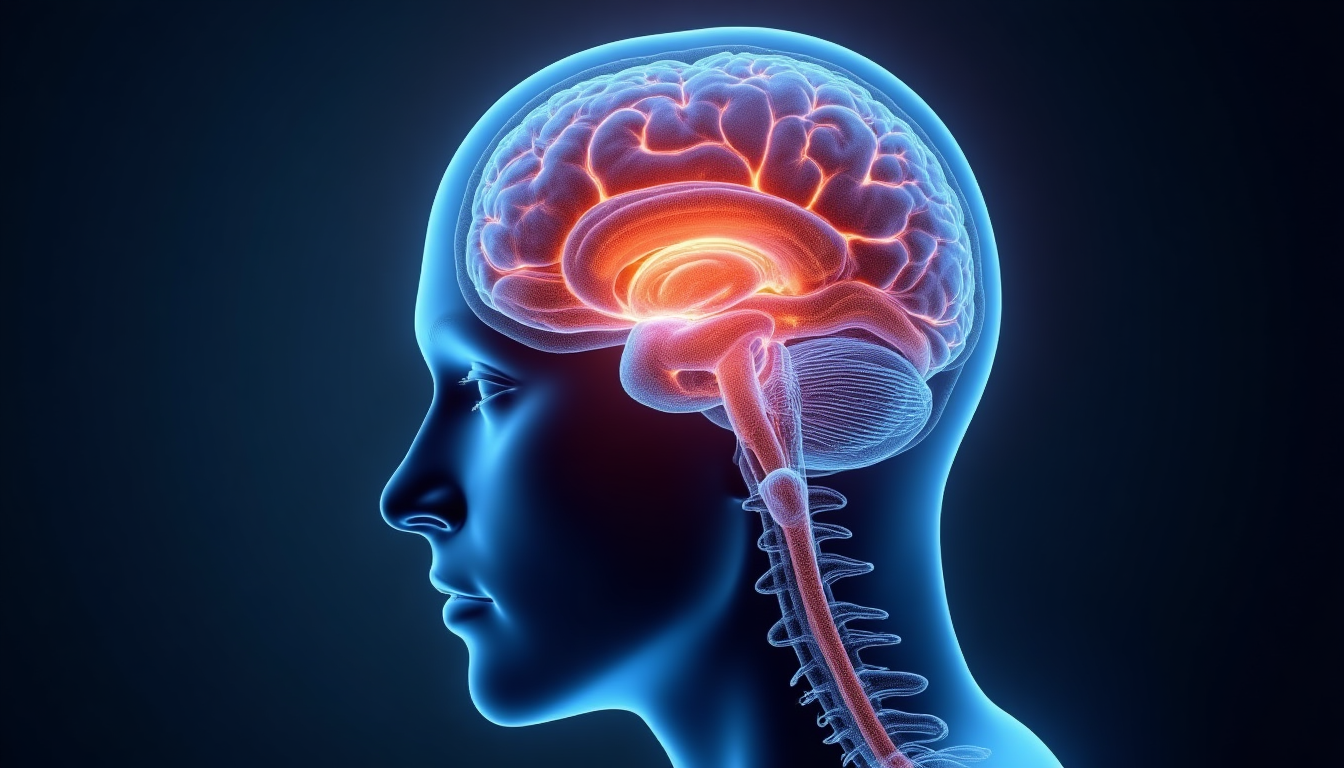
Circadian rhythms are physical, mental, and behavioral changes that follow a roughly 24-hour cycle, driven by a biological clock in the body. This internal clock is regulated by the suprachiasmatic nucleus (SCN) in the brain, which is sensitive to light and dark signals.
Understanding Circadian Rhythm
Circadian rhythms play a vital role in our overall health and well-being. These rhythms influence a wide range of bodily functions, including sleep, hormone regulation, body temperature, and digestion. When our circadian rhythms are disrupted, it can have far-reaching consequences.
⚠️ Circadian Rhythm Disruptions

Disruptions to our circadian rhythms can increase the risks of obesity, diabetes, mood disorders, heart and blood pressure problems, and even cancer. Maintaining a healthy circadian rhythm is essential for optimal health.
Optimizing Circadian Rhythm
There are several key strategies you can implement to optimize your circadian rhythm and reap the benefits of better sleep, improved energy, and overall well-being.
Sleep Hygiene
Establishing a consistent sleep-wake schedule is crucial for maintaining a healthy circadian rhythm. This includes going to bed and waking up at the same time, even on weekends. Creating a sleep-conducive environment, avoiding stimulants and blue light before bedtime, and practicing relaxing pre-bedtime rituals can all contribute to better sleep and circadian rhythm alignment.
✅ Pro Tip
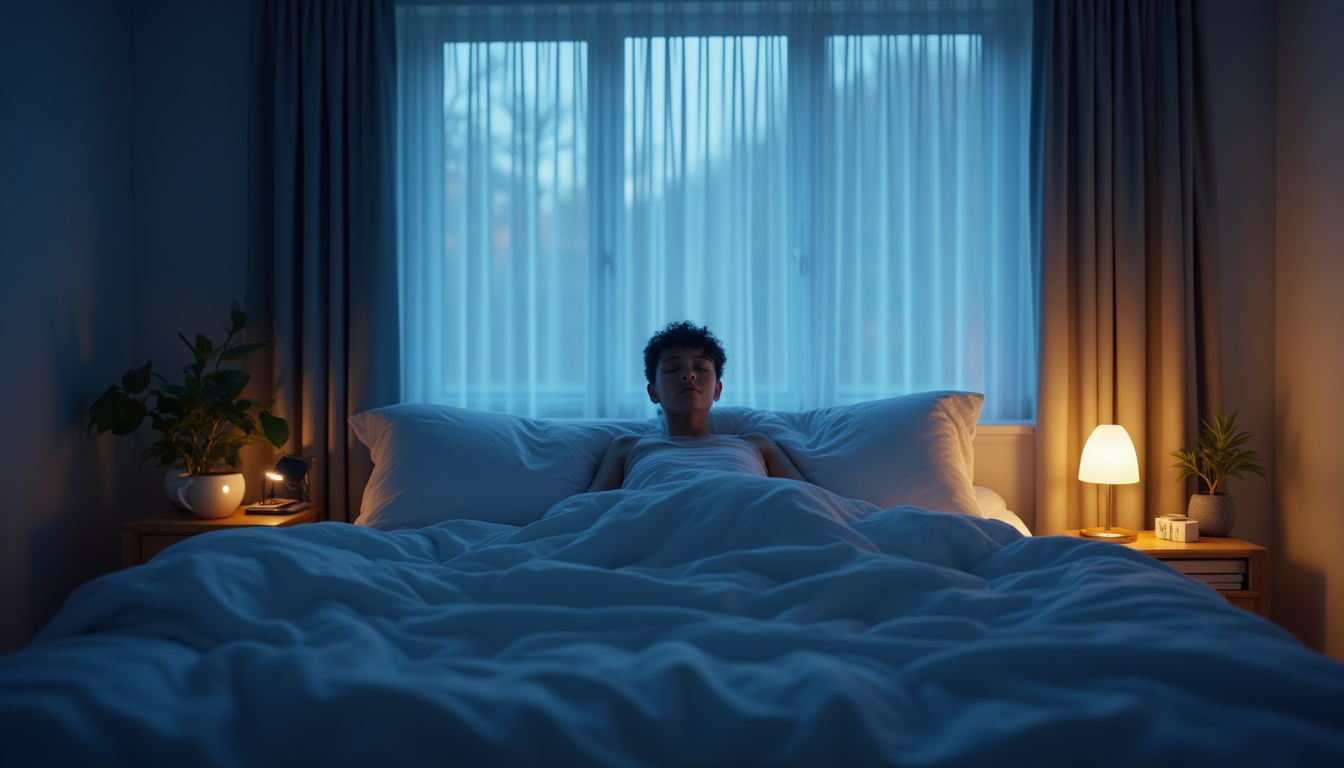
Consistency is key when it comes to sleep hygiene. Forming good habits and routines can help retrain your body's internal clock for optimal circadian rhythm.
Light Exposure Management
Exposure to natural light during the day and limiting artificial light exposure at night are essential for maintaining a healthy circadian rhythm. Utilizing light therapy, such as bright light boxes or dawn simulation alarms, can also help regulate your body's internal clock.
🚀 Light's Impact on Circadian Rhythm

Light is the primary factor that influences the suprachiasmatic nucleus (SCN), the master clock in the brain that coordinates our circadian rhythms. Proper light exposure throughout the day is crucial for keeping our internal clocks synchronized with the external environment.
Dietary Considerations
The timing of meals and the types of foods we consume can also impact our circadian rhythms. Eating nutrient-rich, whole foods and avoiding disruptive substances like caffeine and alcohol can help support a healthy circadian rhythm. Maintaining consistent meal times can also contribute to better rhythmic alignment.
"Circadian rhythms can fall out of sync with the outside world due to factors in the human body or environment, such as genetic variants, neurological diseases, travel between time zones, and light from electronic devices at night."
Physical Activity and Exercise
Incorporating regular physical activity into your daily routine can positively impact your circadian rhythm. However, the timing of exercise is also important, as certain types of physical activity can have different effects on your internal clock.

of users see improvement in sleep quality after implementing regular exercise routines.
Stress Management
Chronic stress can disrupt our circadian rhythms, leading to a range of health problems. Engaging in stress-reducing activities, such as mindfulness practices, meditation, and relaxation techniques, can help restore balance and support a healthy circadian rhythm.
| Circadian Rhythm Disruption Factors | Impact |
|---|---|
| Light exposure (including blue light from screens) | Suppresses melatonin production and delays the body's internal clock |
| Irregular sleep-wake schedules | Desynchronizes the body's internal clock and leads to circadian rhythm disruptions |
| Jet lag and shift work | Causes misalignment between the body's internal clock and the external environment |
| Stress and anxiety | Can interfere with the body's ability to maintain a healthy circadian rhythm |
Personalized Approaches
It's important to recognize that not everyone's circadian rhythm is the same. Factors like age, genetics, and individual differences can influence our natural sleep-wake cycles, known as "chronotypes." Understanding your unique chronotype and adapting optimization techniques accordingly can be highly beneficial.
Chronotype Identification

Determine your natural sleep-wake preferences and tendencies to better understand your circadian rhythm.
Tailored Strategies

Adjust your circadian rhythm optimization techniques based on your individual chronotype and needs.
Adaptability

Be prepared to modify your routines and habits as your circadian rhythm and life stages change over time.
Conclusion
Optimizing your circadian rhythm is a powerful way to improve your overall health and well-being. By implementing strategies like consistent sleep hygiene, light management, dietary adjustments, exercise, and stress reduction, you can bring your internal clock back into sync with the external world.
Ready to Optimize Your Circadian Rhythm?
Start your journey to better sleep, increased energy, and improved health today.
Remember, everyone's circadian rhythm is unique, so be patient and open to adjusting your approach as you find what works best for you. By prioritizing circadian rhythm optimization, you'll be empowered to live your healthiest, most vibrant life.