Introduction: From Overtraining to Optimized Recovery
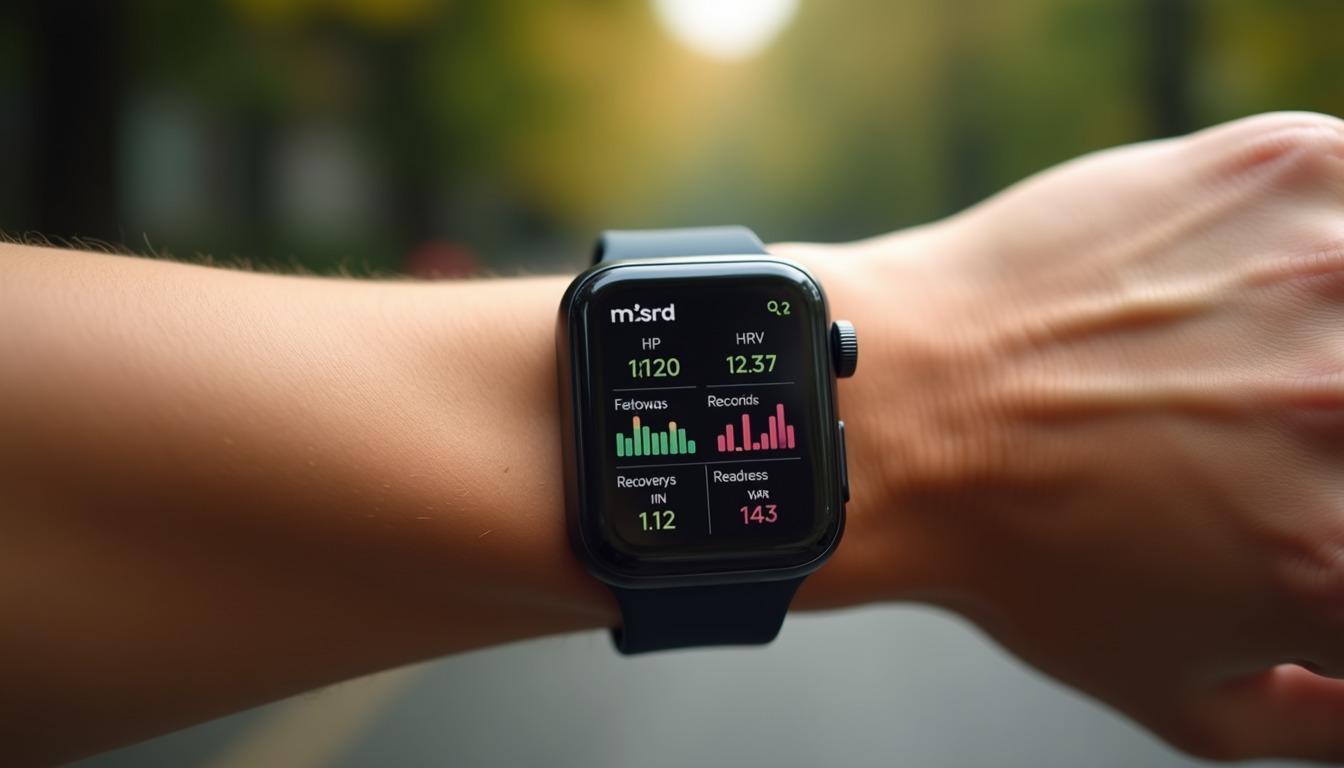
The common athlete's dilemma persists: more training doesn't always mean better results. The line between peak performance and overtraining is dangerously thin, often obscured by the daily grind. For generations, rest was scheduled by the calendar—a fixed day off regardless of how you actually felt. Modern wearables and biometric data, especially Heart Rate Variability (HRV) and key activity metrics, now allow us to listen to the body's subtle signals, transforming rest days from guesswork into a precise science according to research published in BMC Sports Science. This definitive guide explores how HRV and activity tracking work, how to accurately interpret the data, and how to build a dynamic, personalized recovery plan that prevents overtraining and unlocks sustainable athletic progress.
Part 1: The Critical Problem – Why Intelligent Rest is Your Secret Weapon
Fitness culture frequently glorifies the relentless grind. The pervasive ethos of "no days off" creates a bias that systematically undervalues rest and recovery, mistakenly viewing them as weakness rather than the critical component of growth. This mentality pushes countless athletes toward diminishing returns and the debilitating state of Overtraining Syndrome (OTS)—marked by prolonged fatigue, performance decline, persistent soreness, mood disturbances, and frequent illness.
The fundamental flaw in a rigid, calendar-based rest schedule is its total disconnect from your body's actual physiological state. This archaic approach ignores the crucial spectrum between functional overreaching (a planned, short-term load increase that leads to supercompensation) and non-functional overreaching, the direct precursor to full-blown overtraining. The key to navigating this spectrum intelligently is actionable data.
⚠️ The Overtraining Alarm Signal
Scientific research consistently indicates that a **reduced HRV** may be an early, objective sign of overreaching and/or overtraining syndrome, serving as a clear signal that your **autonomic nervous system and recovery capacity** are overwhelmed — PubMed study.
Part 2: The Core Science – What is HRV (Heart Rate Variability)?
Heart Rate Variability (HRV) is fundamentally not your heart rate. It measures the subtle, millisecond variations in time between each consecutive heartbeat. This variation is a powerful, non-invasive window into your Autonomic Nervous System (ANS) balance.
The ANS operates through two primary branches: the sympathetic ("fight-or-flight") and the parasympathetic ("rest-and-digest") systems. HRV is a key metric for assessing the balance between these systems. A higher HRV generally indicates strong parasympathetic influence, signaling a recovered, resilient, and adaptable state. A lower HRV suggests sympathetic dominance, meaning your body is under stress—whether from training, work, illness, or poor sleep.

🔬 HRV Explained Simply
Think of your **nervous system as a symphony**. High HRV is like a complex, adaptable piece of music—it shows your body can respond fluidly to stress. Low HRV is like a repetitive, monotonous drumbeat—it indicates your system is stuck in a stressed, less responsive state, lacking variability.
Crucially, HRV is highly individual. Comparing your absolute number to someone else’s is meaningless. Long-term trends matter far more than any single daily reading. Furthermore, its utility can vary by athletic population; a comprehensive meta-analysis suggests HRV may not be an equally sensitive marker for all highly-trained aerobic athletes, highlighting the need for context. To dive deeper into using HRV to manage stress and enhance resilience, you can explore our dedicated guide on how to unlock peak performance and stress resilience with Heart Rate Variability.
Part 3: The Holistic Data Ecosystem – HRV in Context
HRV data alone can be misleading. A sudden drop could indicate impending illness, positive adaptation to a hard training block, or simply a bad night's sleep. As emphasized in a seminal review, HRV must be part of a broader psychophysiological monitoring strategy, meaning it gains true meaning only when correlated with other key metrics.
Synthesizing HRV with these data points creates a holistic "readiness" or "recovery score": * Sleep Metrics: Duration, quality (deep/REM sleep), and consistency are the foundation of recovery. Our article on biohacking sleep architecture provides data-driven strategies to optimize this critical pillar. * Daily Activity & Acute Training Load: Exercise duration, intensity (RPE), and volume. * Resting Heart Rate (RHR): An elevated morning RHR can be a clear signal of systemic stress and fatigue. * Subjective Feedback: Self-reported muscle soreness, motivation levels, and general fatigue (e.g., using a daily wellness questionnaire).

| Data Point | What It Tells You | The Danger of Isolation |
|---|---|---|
| HRV (Low) | ANS is under significant stress. | Is it from overtraining, an oncoming illness, or just poor sleep? |
| Sleep (Poor) | Insufficient physiological recovery. | A single bad night or a chronic pattern undermining all progress? |
| RHR (High) | Elevated physiological strain and fatigue. | Is it caused by dehydration, training fatigue, or a latent infection? |
Part 4: The Practical Protocol – Implementing Data-Informed Recovery
Step 1: Establish Your Personal Baseline. For a minimum of 2-4 weeks, measure your HRV and RHR first thing every morning under consistent conditions (upon waking, before coffee or activity). Track your sleep metrics simultaneously. This establishes your unique personal "normal" range, not population averages.
Step 2: Daily Interpretation & Decision Rules. Implement a simple traffic light system based on deviations from your baseline: * Green Light (High/Stable HRV, Good Sleep, Low RHR): Proceed with your planned, high-intensity training session. * Yellow Light (Moderate HRV drop, Slightly elevated RHR, Sub-par sleep): Opt for light activity, technique work, or dedicated active recovery. * Red Light (Significant HRV drop, High RHR, Very Poor Sleep, High fatigue): Prioritize full rest, gentle mobility, hydration, and nutrient-dense nutrition.
Step 3: Actionable Recovery Strategies. On Yellow and Red days, deploy targeted interventions: * Nutrition: Focus on anti-inflammatory foods, adequate protein for repair, and electrolyte balance. Optimizing your metabolic flexibility can also provide more stable energy to support recovery. * Hydration: Ensure optimal, consistent fluid intake throughout the day. * Sleep Hygiene: Protect 7-9 hours of quality sleep; prioritize consistency. * Stress Management: Use breathing exercises (e.g., box breathing), meditation, or gentle nature walks. * Movement: Choose walking, light cycling, swimming, or restorative yoga.

Step 4: Longitudinal Trend Analysis. Review weekly and monthly data aggregates. A slow, consistent downward trend in HRV may signal the need for a proactive deload week. Research supports the efficacy of HRV-guided training programming over rigid, pre-written plans.
Establish Your Baseline
Consistently measure HRV, RHR, and sleep for 2-4 weeks under normal conditions to find your unique range.
Daily Check & Interpret
Use the intuitive traffic light system (Green/Yellow/Red) to guide your day's training intensity.
Act on the Data
Execute the appropriate training, active recovery, or full rest protocol based on your readiness score.
Review Long-Term Trends
Analyze weekly/monthly data to spot chronic patterns and plan deloads or adjustments proactively.
Part 5: Avoiding Pitfalls and the Mind-Body Connection
Success requires avoiding common data-driven pitfalls: * Obsessing Over Daily Fluctuations: Look for sustained deviations (3+ days), not single-day blips, which are normal. * Ignoring Subjective Feelings: If your data says "Green" but you feel exhausted or unmotivated, listen to your body. Data is a guide, not an absolute command. * Using Data as a Weapon: Don't use a "Green" score to justify training through persistent pain or illness; common sense must prevail.
"HRV is a promising inexpensive, time-efficient, and non-invasive method for monitoring athlete load."
— PubMed study
The ultimate goal is to use technology to sharpen your body's intuition, not replace it. Balance quantifiable metrics with the unquantifiable wisdom of how you actually feel. Sometimes the most advanced recovery tool is knowing when to take the wearable off, disconnect from the data, and simply rest.

Conclusion: Mastering Your Recovery Rhythm
Harnessing HRV and holistic activity data moves us decisively from a one-size-fits-all recovery model to a personalized, adaptive approach. It transforms rest from a passive obligation into an active, strategic tool for athletic growth. True, sustainable advancement happens not just during the workout, but in the quality of the recovery that follows. By tuning into your body's unique physiological rhythm, you can train smarter, sustain long-term progress, and cultivate lifelong health and performance.