Biohacking Sleep Architecture: A Data-Driven Guide to Optimize Sleep Cycles for Cognitive and Physical Regeneration
I. Introduction: The Modern Quest for Perfect Sleep and Health
The modern high-performance culture has shifted its badge of honor from burning the midnight oil to prioritizing sleep quality. Sleep is now recognized as the non-negotiable foundation for cognitive sharpness, emotional resilience, and physical vitality. It is the original biohack, hardwired into our biology.
However, chronic poor sleep is a silent epidemic and a root cause of numerous health issues. It is strongly linked to cognitive decline, impaired immune function, metabolic dysregulation, cardiovascular strain, and accelerated cellular aging, as detailed in research on sleep as a root cause of chronic disease. Simply aiming for more hours in bed is a blunt instrument in a world that demands precision.
This is where biohacking sleep architecture becomes essential. It’s a data-driven, root-cause approach that moves beyond sleep quantity to engineer its regenerative quality. For a foundational look at sleep's role in overall wellness, consider our article on The Power of Sleep: Unlocking Restorative Rest for Holistic Wellbeing. This comprehensive guide will deconstruct sleep architecture, explore the best sleep measurement tools, and provide actionable biohacking strategies to optimize each phase for total mind-body regeneration.
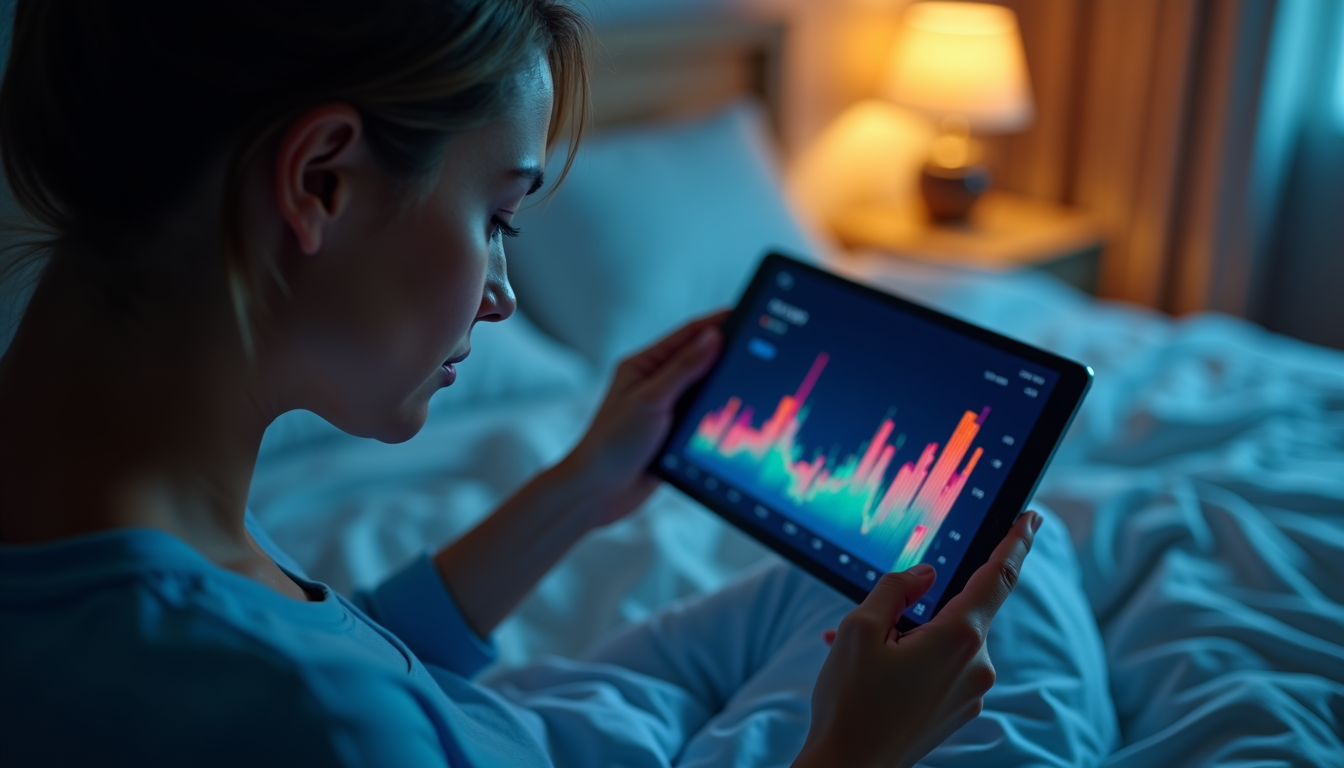
II. Deconstructing Sleep Architecture: Beyond Hours in Bed
What is sleep architecture? It refers to the cyclical structure of your night's rest—a choreographed sequence of distinct sleep stages, each with a specialized purpose. High-quality sleep involves successfully cycling through these stages multiple times. The stages follow an ultradian rhythm, cycling every 90-110 minutes.
Light Sleep (NREM N1/N2)
The gateway to sleep. Stage N2 is crucial for **memory consolidation** and synaptic pruning. Research suggests N1 is also integral to creativity and problem-solving — 2023 study on sleep stages.
Deep Sleep (NREM N3)
The peak of **physical restoration**. Critical for memory consolidation, tissue repair, growth hormone release, and immune function (enhancing T-cell efficacy). It also powers the brain's glymphatic system, clearing metabolic waste like beta-amyloid — Research on brain detoxification.
REM Sleep
The stage of **cognitive and emotional regeneration**. Essential for emotional processing, stress reduction, and long-term memory integration. The thalamus is highly active, processing sensory information — Sleep architecture research.

Early sleep cycles are rich in deep sleep, while REM periods lengthen toward morning. Waking naturally at the end of a cycle, during light sleep, is key to feeling refreshed and minimizing sleep inertia.
III. The Biohacker's Toolbox: Measuring the Unseen
You can't improve what you can't measure. Modern sleep tracking technology brings sleep analysis into our homes with varying precision.
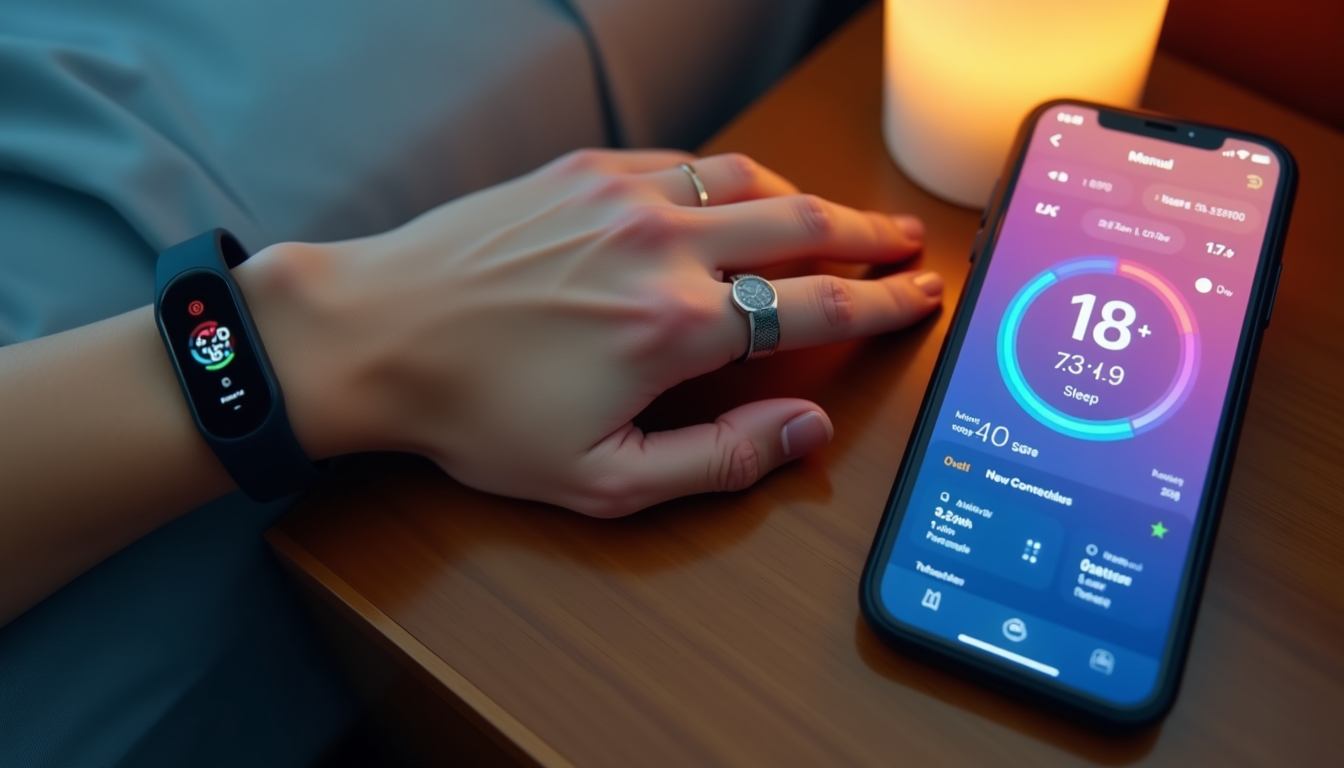
- Wearable Sleep Trackers: Devices like the Oura Ring, Whoop strap, and Apple Watch use heart rate variability (HRV), movement, and other metrics to estimate sleep stages. They are excellent for tracking sleep trends over time, though stage-specific accuracy varies. To understand how to leverage HRV for overall wellness, read our guide on Unlock Peak Performance and Stress Resilience with Heart Rate Variability.
- EEG-Based Headbands: Devices like Dreem or Muse provide a closer approximation to clinical polysomnography by measuring brainwave activity, offering higher-fidelity sleep data for serious biohackers.
- Non-Wearable Tech: Under-mattress sensors track presence and movement to infer sleep cycles without body contact.
- Subjective Measures: A simple sleep journal noting morning energy and mood provides essential qualitative context. The power lies in correlating how you feel with what your tracker says.
IV. Data-Driven Sleep Optimization: Hacking Each Phase of the Cycle
Armed with sleep data, you can create targeted biohacking protocols for each sleep phase.
Phase 1: Hacking the Wind-Down (Pre-Sleep Protocol) The goal is to lower core body temperature and activate the parasympathetic nervous system for better sleep onset. * Light Hacking: Reduce blue light exposure 2-3 hours before bed using apps or blue-light blocking glasses. * Temperature Hacking: Take a warm bath or shower 60-90 minutes before bed. The subsequent cooldown signals sleep readiness. * Nervous System Regulation: Practice diaphragmatic breathing or meditation to shift from a stressed to a calm state.
Phase 2: Maximizing Deep Sleep (Physical Regeneration) Deep sleep is your body's prime repair shift. To boost it: * Nutrition & Timing: Avoid heavy meals and caffeine within 3-4 hours of bedtime. Consider sleep supplements like Magnesium Glycinate or Glycine. * Exercise for Sleep: Regular resistance training increases deep sleep, but avoid intense activity too close to bedtime. * Sleep Environment Optimization: Engineer your bedroom for uninterrupted sleep: pitch blackness, silence, and a cool temperature.
✅ Deep Sleep Enhancer Protocol
Aim for a bedroom temperature between 60-67°F (15-19°C). This thermal sweet spot facilitates the core body temperature drop necessary for initiating and maintaining deep, **restorative sleep**.
Phase 3: Enhancing REM Sleep (Cognitive Regeneration) REM sleep is fragile and easily suppressed. * Stress Management: High daytime cortisol can reduce REM. Incorporate daily mindfulness and stress-buffering practices. * Substance Avoidance: Alcohol and cannabis are notorious REM sleep disruptors, fragmenting this critical cognitive recovery phase. * Sleep Consistency: Waking up at the same time every day, even on weekends, stabilizes your sleep cycles and protects REM duration.
Phase 4: Perfecting the Wake-Up (Cycle Alignment) * Using Sleep Data: Review your sleep graph to identify when you are in light sleep at the end of a cycle. Aim to set your alarm within this window. * Smart Alarms & Light: Use a sunrise-simulating alarm clock. Seek bright morning sunlight within 30 minutes of waking to anchor your circadian rhythm for better sleep and improve sleep-wake cycles. For a comprehensive plan to align your daily biology, explore our article on Unlock the Power of Circadian Rhythm: Your Path to Better Health.

V. Advanced Sleep Interventions & Biohacking Cautions
For those who have mastered fundamentals, advanced sleep optimization tools are emerging. Biofeedback and Neurofeedback can train the brain for better sleep. Technologies like transcranial magnetic stimulation (TMS) are being explored clinically, though they remain in early stages for consumer use.
⚠️ Important Biohacking Cautions
**Biohacking sleep** comes with critical caveats. First, beware of "orthosomnia" – becoming so obsessed with perfect sleep data that it creates anxiety and worsens sleep. Second, remember individual variability is vast. Your optimal architecture is unique; focus on improving your baseline, not chasing someone else's perfect score. Most importantly, biohacking is not a substitute for medical advice. If you suspect a clinical **sleep disorder** like sleep apnea, consult a healthcare professional.
VI. Synthesis & Long-Term Sleep Protocol Implementation
The essence of biohacking is iterative self-experimentation. Don't change everything at once. Design 2-4 week "experiments," like testing a new supplement while tracking your deep sleep percentage. Use your sleep data to assess the impact.
The ultimate goal is not to become a slave to your tracker, but to use data to build a resilient, personalized sleep protocol that becomes autopilot. This protocol, informed by your unique biology, is the key to unlocking sleep's regenerative power—moving from being a passive sleeper to an active architect of your own recovery.