Part 1: The Science of Autonomic Balance – Your Recovery Dashboard
1.1 The Two Forces: Sympathetic (Gas) vs. Parasympathetic (Brake)
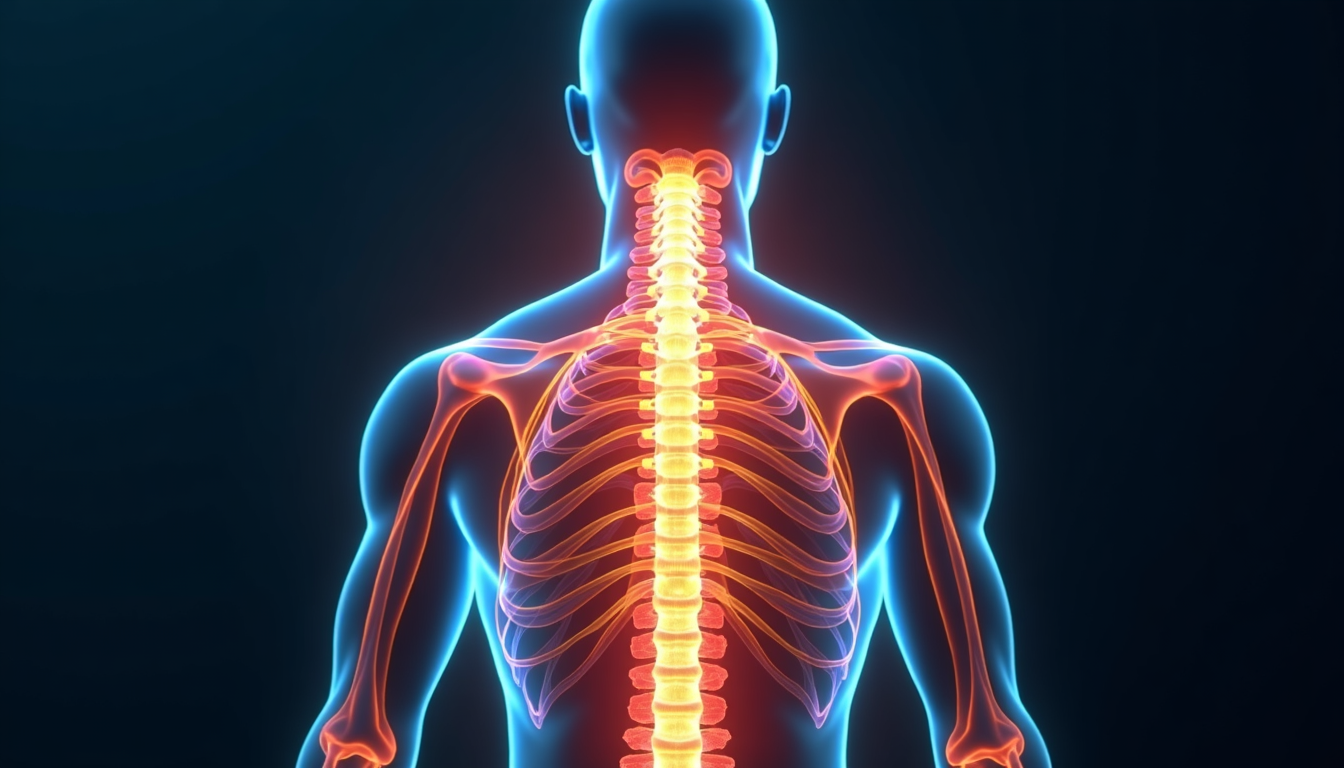
Your ANS operates through two primary, opposing branches. The sympathetic nervous system (SNS) is your accelerator, responsible for the "fight or flight" response. The parasympathetic nervous system (PNS), primarily via the vagus nerve, is your brake and restoration system, governing "rest and digest."
Crucially, neither system is "good" or "bad." Both are essential. The problem is imbalance—a system stuck in chronic sympathetic arousal or one lacking necessary drive. Nervous system health lies in the flexibility to switch appropriately between states, a state known as autonomic flexibility.
1.2 Introducing HRV: The Gold-Standard Biomarker
How do you measure this invisible dance? Enter Heart Rate Variability (HRV). A healthy heart does not beat with metronomic regularity. The slight, millisecond fluctuations in time between heartbeats is your HRV, a direct, non-invasive window into the tug-of-war between your sympathetic and parasympathetic systems.
What HRV Really Tells You: A Biomarker for Resilience
HRV is a complex physiological phenomenon reflecting the dynamic regulation of the cardiovascular system by the ANS. It provides an integrative window into Brain-Heart Axis integrity, connecting autonomic function to systemic resilience. Research frames it as a central nervous system–cardiovascular coupling biomarker, linking mental states to physiological regulation.
— Frontiers in Cardiovascular MedicineHigher HRV typically indicates a resilient nervous system, adaptable and capable of fluid response and efficient recovery. Lower HRV suggests a system under strain, often dominated by sympathetic tone with diminished recovery capacity. Notably, low HRV is a predictor of higher all-cause and cardiac mortality, underscoring its role as a critical biomarker for systemic strain.
1.3 The Data-Driven Mindset: From Guesswork to Guidance
This moves us from subjective guesswork to objective guidance. You might feel "fine" after poor sleep, but your HRV data will likely show a system under duress. Your biometrics become your personal recovery and stress dashboard, offering a daily readout of your nervous system's state and your body's readiness.
Part 2: Assessing Your Autonomic Baseline – How to Measure HRV
2.1 How to Measure Your ANS Function
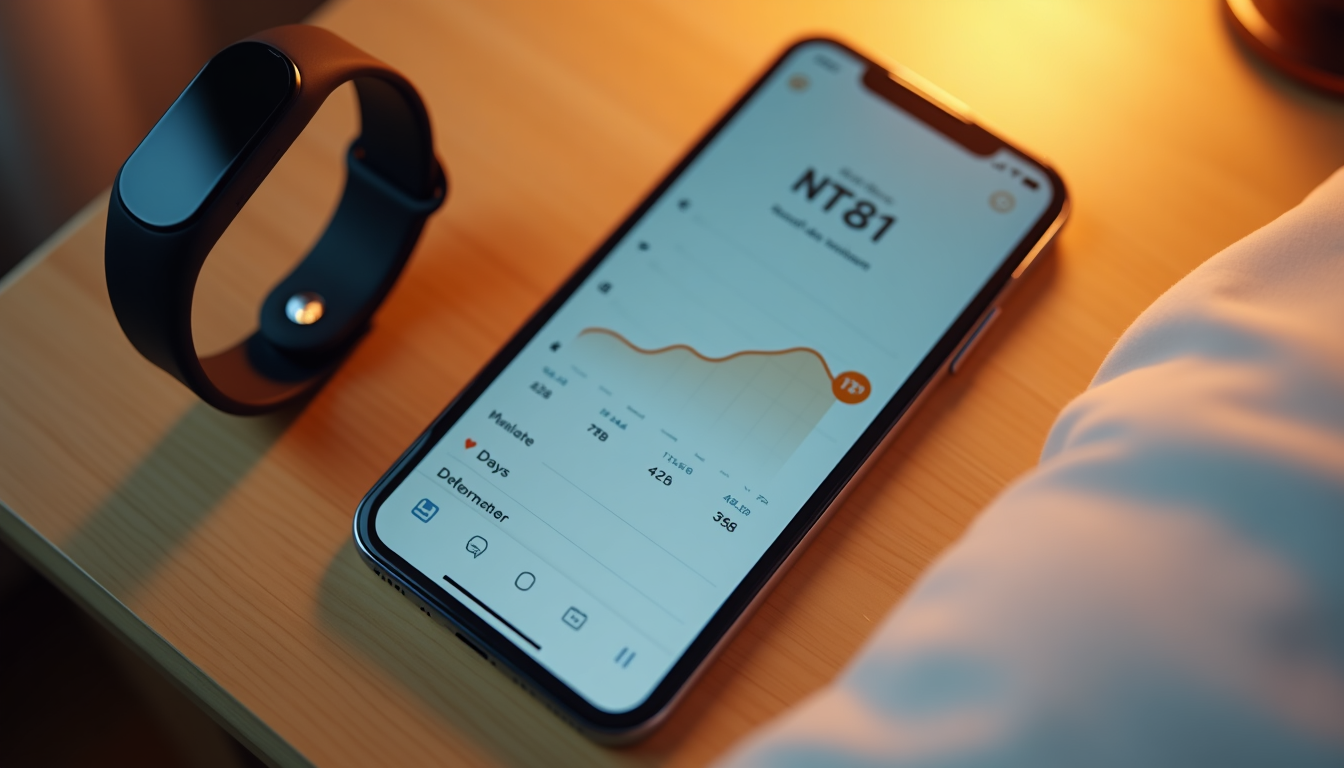
Accessing this data is no longer confined to labs. Wearable technology and HRV apps provide powerful insights for tracking HRV.
- Wearables: Devices like the Oura Ring and Whoop track overnight HRV. Apple Watch, Garmin, and Fitbit offer snapshots. For high accuracy, chest strap monitors paired with apps like Elite HRV or Kubios HRV are the gold standard for a morning measurement.
- Measurement Protocol: Consistency is key. The most reliable method is a short measurement (60-120 seconds) taken immediately upon waking, before getting out of bed. This provides a clean, resting baseline.
Consistent Timing
Take your reading at the same time each morning, ideally upon waking, for a reliable HRV baseline.
Resting Position
Stay lying down in a relaxed state. Sit or stand only if your specific protocol requires it for consistency.
Track Trends
Track for at least two weeks to establish a meaningful personal HRV baseline and observe patterns linked to lifestyle.
2.2 Interpreting Your Data: Trends Over Absolute Numbers
Do not obsess over a single day's number. HRV is highly individual. The power lies in observing HRV trends and patterns over time.
Use your data to explore key lifestyle impact questions: * How does my HRV react after 7 vs. 5 hours of sleep? * What is the impact of an intense workout, a heavy meal, or alcohol? * How does a stressful workday affect my next morning's reading? * Do rest days or meditation consistently improve my metrics?
This process is about identifying your personal levers. The data reveals your unique neurobiological fingerprint.
Part 3: The HRV Optimization Toolkit – Practices for Nervous System Balance
Armed with self-knowledge, apply targeted HRV boosting practices to nudge your ANS toward balance.
3.1 Strategic Recovery (Parasympathetic Activation)
These practices directly stimulate your "brake" to enhance vagal tone and recovery.
- Breathing Protocols: Slow, diaphragmatic breathing is a direct line to vagal tone. Coherent breathing (5-6 breaths per minute) has been shown to immediately increase HRV. Just 5-10 minutes daily can reset your nervous system.
- Sleep as Non-Negotiable Foundation: Sleep is prime time for parasympathetic dominance. Poor sleep devastates HRV. Use your data to test and optimize sleep hygiene. For a detailed exploration of how to optimize this critical pillar, read our article on The Power of Sleep: Unlocking Restorative Rest for Holistic Wellbeing.
- Strategic Rest Days: Let your data guide training. A consistently low HRV is an objective signal to prioritize active recovery or complete rest.

3.2 Intelligent Stress Exposure (Sympathetic Conditioning)
Nervous system resilience is built by intelligently dosing stress to strengthen your system's response.
- The Principle of Hormetic Stress: This is the beneficial effect of a short, controlled stressor that triggers an adaptive, strengthening response.
- Mindful Cold Exposure: A brief cold shower is a potent, controlled sympathetic stressor that, when followed by recovery, trains your system to mount a strong response and return to baseline efficiently.
- Data-Driven Training: Sync workouts with recovery data. Push intensity when your HRV is at or above baseline; prioritize lighter sessions when it's suppressed.
3.3 Foundational Supports for Autonomic Health
Autonomic balance is built on daily habits for nervous system health.
- Nutrition for the ANS: Blood sugar instability stresses the system. Prioritizing protein, fiber, and healthy fats promotes stability. Note the impact of caffeine timing and alcohol (a major HRV depressant). To learn how your dietary choices fuel your cells, our guide on how to Boost Healthspan: Unlock Your Cellular Energy Pathways offers deeper insights.
- Digital & Social Hygiene: Constant notifications activate low-grade sympathetic alertness. Schedule digital boundaries. Positive social connection is powerfully regulating for the ANS.
- Nature & Circadian Rhythm: "Forest bathing" and morning sunlight exposure have been shown to improve HRV and circadian alignment, foundational for autonomic balance.
🚀 Parasympathetic Boosters
Coherent breathing, sleep hygiene, meditation, humming. Directly stimulate the "rest and digest" system for HRV recovery.
⚡ Intelligent Stressors
High-intensity training (when recovered), cold exposure, sauna. Build resilience through controlled, hormetic doses.
🛠️ Foundational Levers
Stable nutrition, morning sunlight, digital boundaries, positive connection. The bedrock of daily autonomic nervous system health.
Part 4: Integrating for Long-Term Resilience – The Adaptive Cycle
4.1 Creating Your Personalized Protocol
Synthesize your unique data with the toolkit to move from generic advice to a personalized HRV protocol.
Example Protocol: "If my morning HRV is >10% below my baseline and my sleep score was low, I will: 1) Prioritize 10 minutes of coherent breathing, 2) Enforce a digital curfew, 3) Swap my high-intensity workout for a walk. If my HRV and sleep are high, I'll proceed with my challenging workout to build capacity."
4.2 The Resilience Flywheel
This creates a self-reinforcing cycle of autonomic regulation: 1. Data reveals your current state. 2. Insight helps you understand the cause. 3. Targeted Action allows precise intervention. 4. Improved Recovery restores balance. 5. Higher Resilience enables better stress handling. 6. Better Stress Handling leads to more favorable data, and the flywheel spins again.
HRV for Intervention Monitoring
HRV is not only useful for assessing the health impact of lifestyle factors like obesity and nutrition, but it is also effective for monitoring the outcomes of interventions, such as exercise and dietary changes. For example, HRV biofeedback has been shown to reduce autonomic reactivity during anger and increase recovery afterward in patients with coronary artery disease.
— Frontiers in Cardiovascular Medicine4.3 Beyond the Numbers: Cultivating Autonomic Awareness
The ultimate goal is not device dependency, but to cultivate embodied awareness. Over time, you'll learn to correlate data with bodily sensations. The external data trains your internal perception, moving you from autonomic blindness to conscious partnership with your nervous system.
Conclusion: Becoming the Autonomic Architect
Optimizing your nervous system is the most profound investment in your health, performance, and well-being. It moves you from being a passive passenger to becoming an active architect of your internal state. By leveraging a data-driven approach to ANS health, you gain an objective language for your body's needs. This allows you to replace guesswork with strategy, and vague advice with personalized, high-impact actions. You learn not just to manage stress, but to build a system so resilient that stress becomes a catalyst for growth. Start listening to your data, apply targeted practices, and begin building a nervous system that is not just surviving, but thriving.