I. Introduction: The Engine of Aging: Metabolism and Healthspan
We are living longer, but are we living better? This is the critical distinction between lifespan—the total years we are alive—and healthspan—the years we are alive in good health, free from chronic disease and disability. Extending lifespan is an achievement of modern medicine, but the true goal of longevity is a robust healthspan. The fundamental driver of how long we stay vibrant, energetic, and resilient is not primarily our genetic code, but the optimization of a core biological process: cellular metabolism.
Beyond merely influencing weight, metabolism is the sum of all biochemical reactions that sustain life. By strategically supporting our cellular energy pathways, we can promote cellular resilience, delay age-related decline, and unlock metabolic longevity.
Imagine each cell as a sophisticated city. For it to thrive, it needs a reliable and clean energy supply. This is the role of the mitochondria—the cellular "power plants." The long-term health of the entire organism depends on the efficiency and maintenance of these microscopic power stations. When they falter, the city dims; when they thrive, it shines. This guide explores how to optimize mitochondrial function to keep your cellular power plants running optimally for lifelong health. For a deep dive into the science and practical strategies for boosting your cellular energy, explore our guide on Unleash Cellular Vitality: Harnessing the Mitochondrial Advantage for Optimal Performance.
II. Metabolic Health: Beyond "Calories In, Calories Out"
To unlock true healthspan, we must move beyond the simplistic "calories in, calories out" model and embrace a more powerful concept: Metabolic Health.
What is metabolic health? It is defined by the efficient conversion of nutrients into usable cellular energy (ATP), while minimizing harmful metabolic byproducts. It’s about the quality of the energy process, not just the quantity of fuel burned. This view of optimal metabolism rests on four interconnected pillars:
- Mitochondrial Efficiency: Maximizing the ATP energy yield from each unit of nutrient.
- Metabolic Flexibility: The ability of cells to seamlessly switch between fuel sources—glucose, fatty acids, and ketones—based on availability and demand. This is a critical skill for stable energy, and you can learn how to cultivate it in our article on Master Metabolic Flexibility: Switch Fuels for More Energy.
- Cellular Resilience: The capacity of energy systems to maintain function under stress and repair damage.
- Clean Signaling: Minimizing damaging reactive oxygen species (ROS) and ensuring clear cellular communication.
🚫 The Old View: Metabolism
A simple calculator for weight management. Focuses solely on calorie balance and basal metabolic rate (BMR).
✅ The New View: Metabolic Health
A dynamic system governing cellular energy quality, flexibility, and resilience—the cornerstone of healthspan and longevity.

When these pillars are strong, your biology is primed for longevity. When they weaken, age-related decline accelerates.
III. The Central Hub: Mitochondrial Function & Mitophagy
Mitochondria are the central hubs of our metabolic universe, generating over 90% of our cellular energy (ATP). However, the energy production process inevitably generates reactive oxygen species (ROS). In youth, ROS act as signaling molecules, but with age and metabolic inefficiency, excessive ROS can cause oxidative damage. This is the "double-edged sword" of energy production.
⚠️ The Zombie Mitochondria Problem
Damaged, inefficient mitochondria become dysfunctional "zombies" that produce less ATP and more damaging ROS, creating a vicious cycle of cellular decline and accelerated aging. Preventing their accumulation is key to metabolic health.
This is where mitophagy becomes essential. Mitophagy is the body's innate quality-control system where damaged mitochondria are identified and recycled. Robust mitophagy ensures a population of healthy, efficient mitochondria. This critical process becomes less efficient with age, leading to a cellular energy crisis.
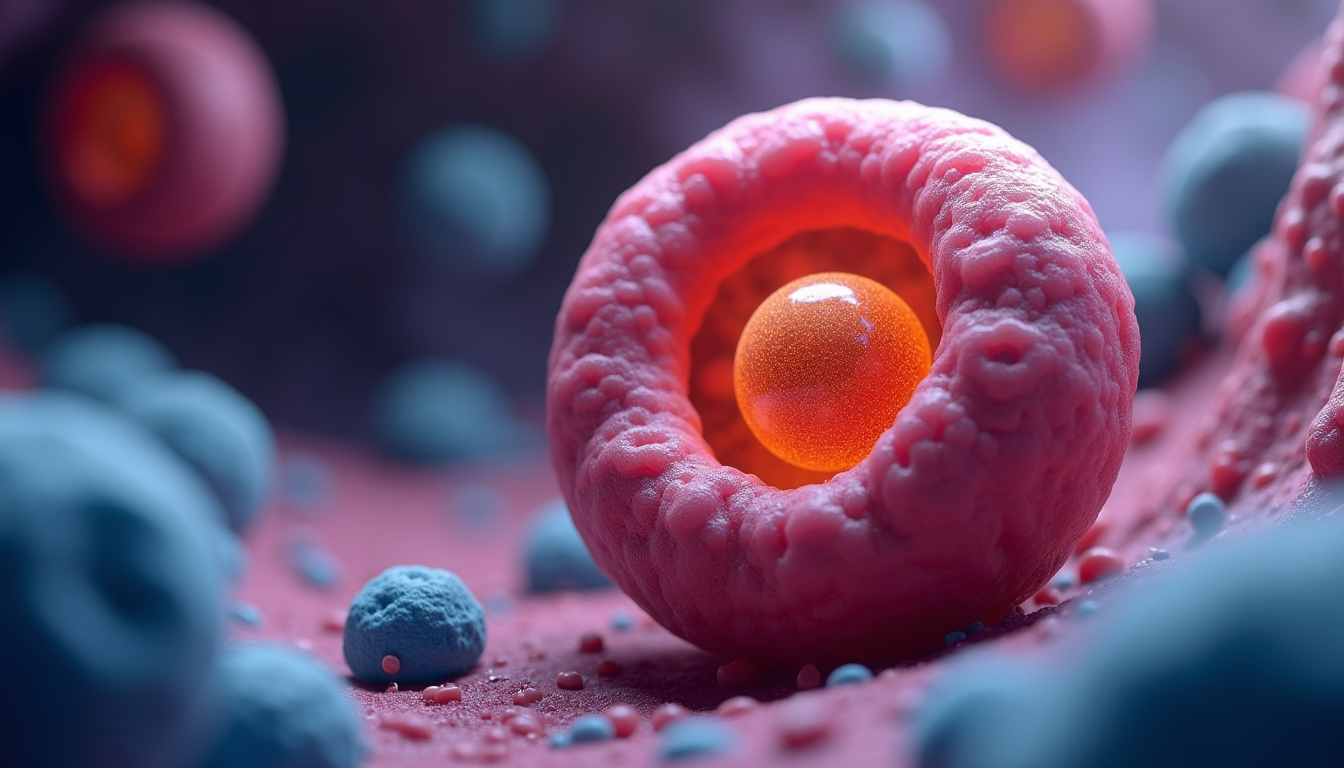
Supporting mitophagy is a direct strategy for longevity. Research shows that Urolithin A is a direct mitophagy inducer, targeting the mitochondrial quality control pathway. Furthermore, enhancing mitochondrial quality control (via Urolithin A) leads to improved metabolic function, including increased fatty acid oxidation capacity in human immune cells — Nature Aging study.
IV. Key Cellular Energy Pathways: Longevity Levers
Our cells monitor energy status through sophisticated signaling pathways. Understanding these allows us to influence a pro-longevity state.
- AMPK (AMP-activated Protein Kinase): The "master sensor" of cellular energy. Activated when energy is low (e.g., during exercise or fasting), AMPK switches on processes to generate energy and triggers mitophagy. It’s a central switch for energy conservation and cellular cleanup.
- mTOR (Mechanistic Target of Rapamycin): The "master regulator" of growth and synthesis. Activated by nutrient abundance, it promotes protein synthesis and cell growth. However, chronically active mTOR is linked to accelerated aging. Strategic, temporary inhibition (e.g., via intermittent fasting) is a powerful longevity lever.
- Sirtuins: A family of NAD+-dependent proteins, the "guardians of healthspan." They are involved in DNA repair, metabolic regulation, and mitochondrial health. Their activity depends on adequate levels of NAD+, which declines with age.
Their interplay is powerful. AMPK activation can raise NAD+ levels, supporting sirtuins. Both AMPK and sirtuins can inhibit mTOR. The triad—AMPK up, Sirtuins up, mTOR down—represents a fundamental biochemical signature of longevity and metabolic optimization.
V. Practical Strategies to Optimize Metabolic Pathways for Longevity
Here are evidence-based strategies to enhance your metabolic pathways, boost mitochondrial health, and extend your healthspan.
Nutritional Strategies for Metabolic Health
Food is information for your cellular pathways.
- Time-Restricted Eating (Intermittent Fasting): Confining eating to an 8-12 hour window daily boosts AMPK, enhances insulin sensitivity, and provides a daily window for mitophagy to occur.
- Macronutrient Balance & Food Quality: Emphasize whole, nutrient-dense foods: quality proteins, healthy fats, fiber-rich vegetables and fruits. Minimize refined carbohydrates and sugars. For a data-driven approach to balancing your protein, carbs, and fats, see our guide on Track Macros, Optimize Health: A Data-Driven Guide.
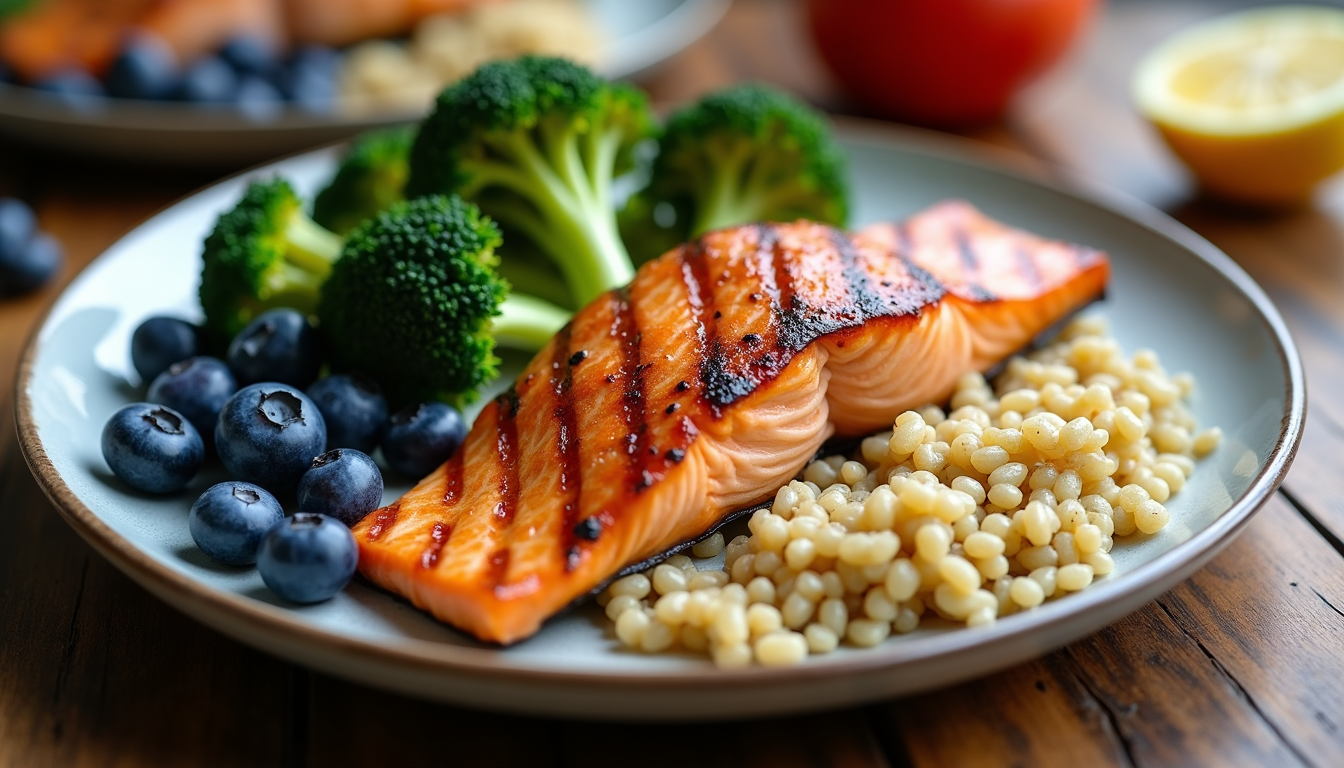
- Specific Nutrients for Longevity: Certain compounds directly support longevity pathways.
- Polyphenols (from berries, nuts, green tea) activate AMPK and sirtuins.
- Omega-3 Fatty Acids (from fatty fish) support mitochondrial membrane health.
- Urolithin A, a compound studied for its targeted effect, directly induces mitophagy, as demonstrated in recent clinical research.
Increase in fatty acid oxidation capacity in CD8+ immune cells following Urolithin A supplementation, demonstrating enhanced metabolic flexibility — Nature Aging study.
Recent research on Urolithin A provides tangible evidence for this approach: a 4-week supplementation in healthy middle-aged adults significantly expanded peripheral naive-like, less exhausted CD8+ T cells, countering a hallmark of immune aging. The treatment also augmented mitochondrial biogenesis in immune cells, improving both mitochondrial clearance (mitophagy) and creation, and drove transcriptional shifts towards less inflammatory and more metabolically efficient profiles — Nature Aging study. This Nature Aging study shows that short-term supplementation with the mitophagy inducer Urolithin A can counteract age-related immune decline, a key systemic healthspan outcome.
Movement & Exercise to Boost Mitochondria
Exercise is a potent stressor that makes mitochondria stronger.
- High-Intensity Interval Training (HIIT): Powerful stimulus for mitochondrial biogenesis (creation of new mitochondria) and improving energy chain efficiency.
- Strength Training: Builds metabolically active muscle, improving metabolic rate, glucose disposal, and insulin sensitivity.
- Non-Exercise Activity Thermogenesis (NEAT): Constant, low-level movement (walking, standing) is linked to better metabolic health and longevity.

Recovery & Circadian Rhythm Alignment
Your metabolic pathways follow a 24-hour clock.
- Sleep as Metabolic Reset: Deep sleep is when repair occurs, cortisol drops, and insulin sensitivity resets. Chronic deprivation disrupts AMPK, mTOR, and insulin signaling.
- Light & Meal Timing: Get bright morning light and align your eating window with daylight hours to synchronize central and peripheral circadian clocks, optimizing metabolic gene expression. This is a key part of Unlock the Power of Circadian Rhythm: Your Path to Better Health, which details how to align your daily rhythms for optimal energy and metabolic function.
Fuel the Cleanup
Implement a 10-12 hour eating window to trigger AMPK and mitophagy daily.
Challenge the System
Incorporate HIIT and strength training weekly to build new, efficient mitochondria.
Prioritize Recovery
Protect 7-9 hours of sleep and align meals with daylight to support circadian metabolic rhythms.
Environmental & Behavioral Factors
- Cold Exposure: Regular, mild cold exposure (cold showers) stimulates mitochondrial biogenesis in brown fat, boosting metabolic rate and resilience.
- Stress Management: Chronic psychological stress elevates cortisol, which disrupts metabolic signaling and inhibits beneficial pathways like autophagy. Practices like meditation are metabolic interventions.
Take Control of Your Metabolic Health
The journey to an extended healthspan is a journey to the cellular level. By consciously supporting your cellular power plants through strategic nutrition, targeted movement, disciplined recovery, and informed supplementation, you take direct control of your biological aging process. To start applying these principles and track your own progress, register for our health tracking platform today.
The goal is not just to add years to your life, but to add vibrant life to your years.