The Modern Burnout Epidemic: Understanding and Solving the Crisis
We live in an age of unprecedented professional burnout. The relentless pace of modern work, amplified by constant digital connectivity, has normalized chronic stress and workplace exhaustion. The personal costs—emotional exhaustion, cynicism, and reduced efficacy—are immense. The global economic impact is staggering: an estimated 12 billion working days are lost every year to depression and anxiety, at a cost of US$ 1 trillion per year in lost productivity (World Health Organization fact sheet). This establishes a stark baseline for the scale of the global mental health crisis at work.
Working days lost annually to depression & anxiety — World Health Organization

The traditional wellness advice is to seek "work-life balance"—a static, often mythical, 50/50 split. This framing can feel frustrating and guilt-inducing when life’s inherent imbalances make perfect equilibrium impossible. We need a new, more adaptive model for sustainable performance.
Beyond Work-Life Balance: Introducing Your Personal Rhythm
This article proposes a fundamental shift from pursuing rigid balance to cultivating a dynamic, personalized Work-Life Rhythm. Think of it not as a level seesaw but as a wave, with natural peaks of focused activity followed by essential troughs of recovery. A rhythm is flexible, adaptive, and unique to you. It acknowledges that intense periods require subsequent renewal. The core of mastering this sustainable rhythm lies in personal data and evidence.

The Promise of a Data-Driven Approach: By tracking and analyzing key personal energy metrics, you can move from reactive exhaustion to proactive energy management. This scientific approach allows you to create a sustainable personal rhythm, preempt burnout, and enhance long-term performance and well-being.
II. Understanding Your Personal Energy System: The Key to Performance
Energy as Your Fundamental Currency
We manage time with calendars, but time is merely a container. The real currency of performance, productivity, and well-being is personal energy. You can have free hours but be too mentally fatigued to use them effectively. Managing energy means strategically investing it in high-priority tasks and, crucially, scheduling its renewal. For a deep dive into the cellular source of this energy, explore our article on how to unleash cellular vitality by harnessing the mitochondrial advantage.

The Essential Rhythm of Stress and Recovery
Human beings are built for biological rhythms: circadian (sleep/wake), ultradian (90-120 minute focus cycles), and the basic stress-recovery cycle. Physical and psychological growth and adaptation occur during the recovery period that follows stress. Cognitive and emotional exertion leads to resilience only when paired with genuine psychological detachment and restoration.
The Danger of Chronic Stress Mode
The acute "stress" response (sympathetic nervous system) sharpens focus for short-term challenges. The problem in modern knowledge work is chronic, low-grade sympathetic arousal—the constant "on" mode. Without the counterbalance of the parasympathetic "rest and digest" system, this state leads directly to burnout, hormonal dysregulation, and long-term health decline. Burnout is fundamentally a recovery deficit.
III. Core Metrics for Energy Management: What to Measure
To manage your work-life rhythm, you must measure it. Quantify both the activity that depletes energy and the recovery that replenishes it. This data forms the foundation of your personal energy audit.
Activity Metrics (The "Stress/Exertion" Side)
These capture your cognitive, emotional, and physical load. * Cognitive Load: Track hours of deep, focused work versus shallow work. Monitor meeting density and task-switching frequency. * Emotional Labor: Note time spent in client-facing roles, conflict management, or making high-stakes decisions. * Physical Output: Include daily steps, hours seated, and intentional physical exertion.
According to the World Health Organization, key psychosocial risks at work that contribute to burnout include excessive workloads, lack of control over work, and conflicting home/work demands.
Recovery Metrics (The "Renewal" Side)
These gauge your critical restoration. * Sleep Quality & Quantity: Total sleep time, consistency, and sleep stage data are foundational for mental health. * Psychological Detachment: Measure true off-hours completely disconnected from work communication. * Physical Recovery: Objective metrics like Heart Rate Variability (HRV) and resting heart rate provide physiological data on recovery status. HRV is a powerful tool for this; learn how to unlock peak performance and stress resilience with heart rate variability. * Positive Replenishment: Track time spent on hobbies, meaningful social connection, and mindfulness practices.
The Insightful Ratio: Activity-to-Recovery (A:R)
The most insightful metric is the relationship between exertion and renewal. Your personal Activity-to-Recovery (A:R) Ratio is a qualitative indicator. Sustained high activity with low recovery signals a dangerous imbalance leading to burnout. The goal of energy management is to keep this ratio sustainable over the long term.
IV. Gathering Your Data: Practical Tools and Techniques
Use a blend of automated and intentional tracking for low-friction, comprehensive data collection.
Passive Tracking (Your Automated Dashboard)
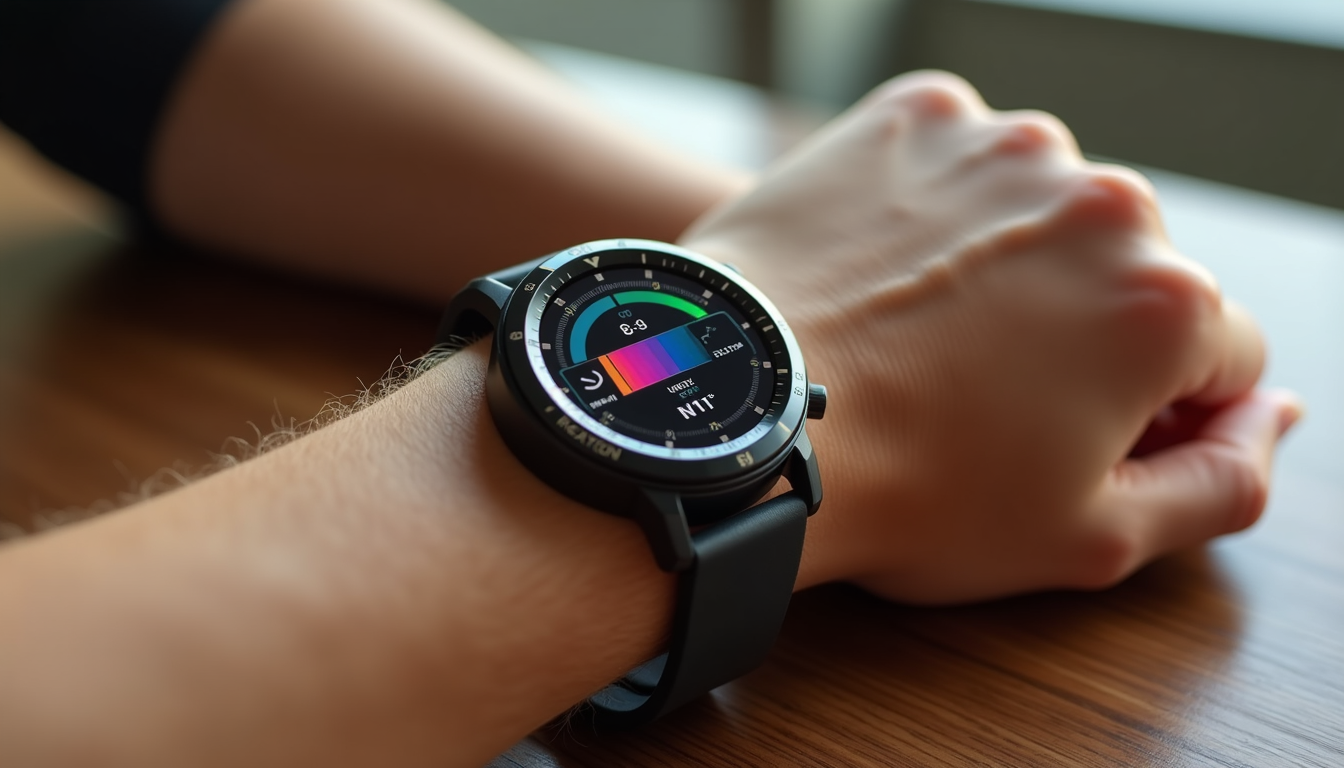
Leverage existing technology. * Wearables & Health Tech: Devices like Oura Ring, Whoop, or Apple Watch track sleep, HRV, resting heart rate, and activity seamlessly. * Digital Productivity Tools: Applications like RescueTime or Toggl analyze computer and phone usage to reveal cognitive load and distraction patterns. * Calendar Analysis: A simple weekly review of your calendar can quantify meeting load and identify blocks for deep work.
Active Tracking (Your Intentional Journal)
Capture subjective and qualitative data. * Daily Energy Log: Rate your energy (1-10) at morning, afternoon, and evening. * Mood & Focus Journal: Brief notes on your predominant mood and concentration ability. * End-of-Day Recovery Score: A simple 1-5 rating on how recovered and replenished you feel.
Finding Your Sustainable Cadence
Avoid analysis paralysis. Start with a simple weekly review. Look for trends, not daily perfection. The goal is insight, not a perfect score. After a few weeks of consistent tracking, you may only need to check your data when you feel "off" or are entering a known high-intensity period.
V. Analyzing Your Rhythm: From Raw Data to Actionable Insight
With 2-4 weeks of consolidated data, analyze patterns by answering three key questions:
- What activity levels precede high-energy, productive days vs. feelings of drain? You might find that two consecutive days of deep work are sustainable only if followed by a deliberately light cognitive day.
- What recovery practices most effectively restore you? Does a 20-minute walk improve afternoon energy more than a meditation session? Your personal data will reveal what works for you.
- What are your personal red flags? Identify early-warning metric combinations. For example, "three consecutive poor sleep nights plus a high emotional labor day" may reliably predict a performance crash.
From this analysis, establish your personal baseline ranges. Define "optimal," "acceptable," and "danger zone" levels for your key metrics (e.g., optimal sleep: 7-8 hours; danger zone: <6 hours for two nights straight).

VI. Designing Your Personalized Work-Life Rhythm
Move from being a passive passenger of your schedule to its proactive architect. Use your insights to design a sustainable routine.
Proactive Rhythm Scheduling
- Macro-Rhythm (Quarterly/Yearly): Plan your year. Schedule a deliberate recovery block (e.g., a light week) after a major project deadline. Calendar this recovery time as a non-negotiable appointment.
- Micro-Rhythm (Daily): Structure your workdays using ultradian principles. Schedule 90-120 minute focused work blocks, followed by mandatory 15-25 minute recovery intervals for a walk, stretching, or a mental break.
Creating Non-Negotiable Recovery Rituals
Establish intentional recovery practices based on your data insights. If evening screen time consistently hurts sleep quality, institute a digital curfew. If your HRV correlates strongly with weekly nature time, protect that hike in your schedule. These rituals become the pillars of your resilient rhythm. For a foundational guide on improving your most critical recovery ritual, see our article on unlocking the power of circadian rhythm for better health.

Dynamic Adjustment: The Responsive Rhythm
A true rhythm is responsive. Learn to pivot in real-time using metric feedback. If your wearable shows a low HRV score, consciously lighten your cognitive load for the day: defer difficult creative tasks and prioritize an early bedtime.
VII. Overcoming Common Challenges in Energy Management
"I don't have time to track this."
Start with the minimum viable metric for one week. Track just sleep duration or your subjective morning energy. The few minutes spent can save days or weeks of lost productivity to burnout. Small data leads to big insights.
Data Anxiety & Perfectionism
Remember, your data is a compassionate guide, not a judge. Focus on weekly and monthly trends, not daily scores. A single bad day is statistical noise; a consistent downward trend is a meaningful signal. The purpose is awareness, not perfection.
When Work Demands Are Genuinely Overwhelming
In high-pressure environments, objective data becomes your most powerful advocate for change. Hard data is often harder for managers to dismiss than subjective feelings of being overwhelmed. According to the World Health Organization, when psychosocial risks like excessive workload are present, recommended actions include using data to build a case for systemic change and setting clear boundaries. Frame the conversation with evidence: "My tracking shows the current pace with X hours of deep work is unsustainable for me. Can we discuss adjusting the timeline or scope?" This shifts the discussion from complaint to collaborative problem-solving.
VIII. The Long-Term Payoff: Sustained Energy and Peak Performance
The ultimate goal is to move from merely surviving your workweek to consistently thriving within it.
From Survival to Sustainable Thriving
A well-designed, sustainable rhythm enables reliable peak performance: it creates space for enhanced creativity, improves emotional resilience, and allows for strategic thinking. You stop making critical decisions from a depleted, suboptimal state.
"Decent work is good for mental health, but poor working environments pose a significant risk to it."
The Positive Organizational Impact
When individuals successfully manage their personal rhythms, teams and organizations become healthier and more productive. This aligns perfectly with WHO-recommended workplace interventions like providing flexible working arrangements and training managers to support mental health. Teams that collectively respect recovery cycles foster greater innovation, collaboration, and talent retention.
A Lifelong Practice of Self-Awareness
Viewing your work-life rhythm as a core component of career sustainability transforms it from a tactic into a lifelong practice of self-awareness. Your optimal rhythm will evolve with life stages, but the fundamental principle of intentional energy management remains your constant tool for wellbeing.
IX. Conclusion: Embrace Your Data-Driven Rhythm
The relentless pursuit of a static work-life balance often leaves us feeling perpetually behind and inadequate. By shifting to a dynamic, evidence-based work-life rhythm, you embrace the natural, biological ebb and flow of human energy. This proactive approach empowers you with self-knowledge, replacing guesswork and guilt with intention and strategy. You learn to orchestrate productive waves of exertion and essential periods of renewal, preventing burnout before it takes hold.
Begin your journey today: Start by measuring just one thing. Listen attentively to what your personal data reveals. Use those insights to begin intentionally designing the sustainable rhythm that will allow you to perform at your best, not just for the next sprint, but for the entire marathon of your career and life. Take the first step by creating your personalized health dashboard. Register for our health tracking platform to turn these insights into actionable, daily guidance.