I. Introduction: The New Frontier of Breathwork
For millennia, breathwork has been a cornerstone of wellness, from yogic pranayama to monastic contemplative practices. We've been told that specific breathing patterns can calm the mind, sharpen focus, and energize the body. But what if you could move beyond anecdotal evidence and generalized advice? What if you could see, in real-time, how a specific breath pattern is shifting your nervous system, and then refine it for your unique physiology?

Welcome to the era of data-driven breathwork and personalized breathing. Modern biometric technology allows us to use respiratory biomarkers as a real-time feedback loop, transforming breathwork from a general wellness practice into a precise biohacking tool for optimizing nervous system states, as supported by research on neural respiratory systems. The central premise is revolutionary yet simple: our breath is not just an input we control; it's a rich, measurable output signal of our autonomic nervous system (ANS). By measuring this signal, we can learn to control it with unprecedented precision for nervous system regulation.
II. The Science Bridge: From Ancient Practice to Modern Physiology
To harness data-driven breathwork, we must first understand the system we're trying to influence: the autonomic nervous system. The ANS operates largely below our conscious awareness, regulating vital functions like heart rate, digestion, and hormone release. It has two primary branches: the sympathetic nervous system (SNS), our "fight-or-flight" accelerator, and the parasympathetic nervous system (PNS), our "rest-and-digest" brake.
🚀 The Breath Lever
Respiration is the only autonomic function we can easily consciously control, providing direct access to influence heart rate, blood pressure, and stress hormones. This gives us a powerful lever: by deliberately changing our breathing pattern, we send direct signals to the brainstem that can ramp up or dial down sympathetic arousal.
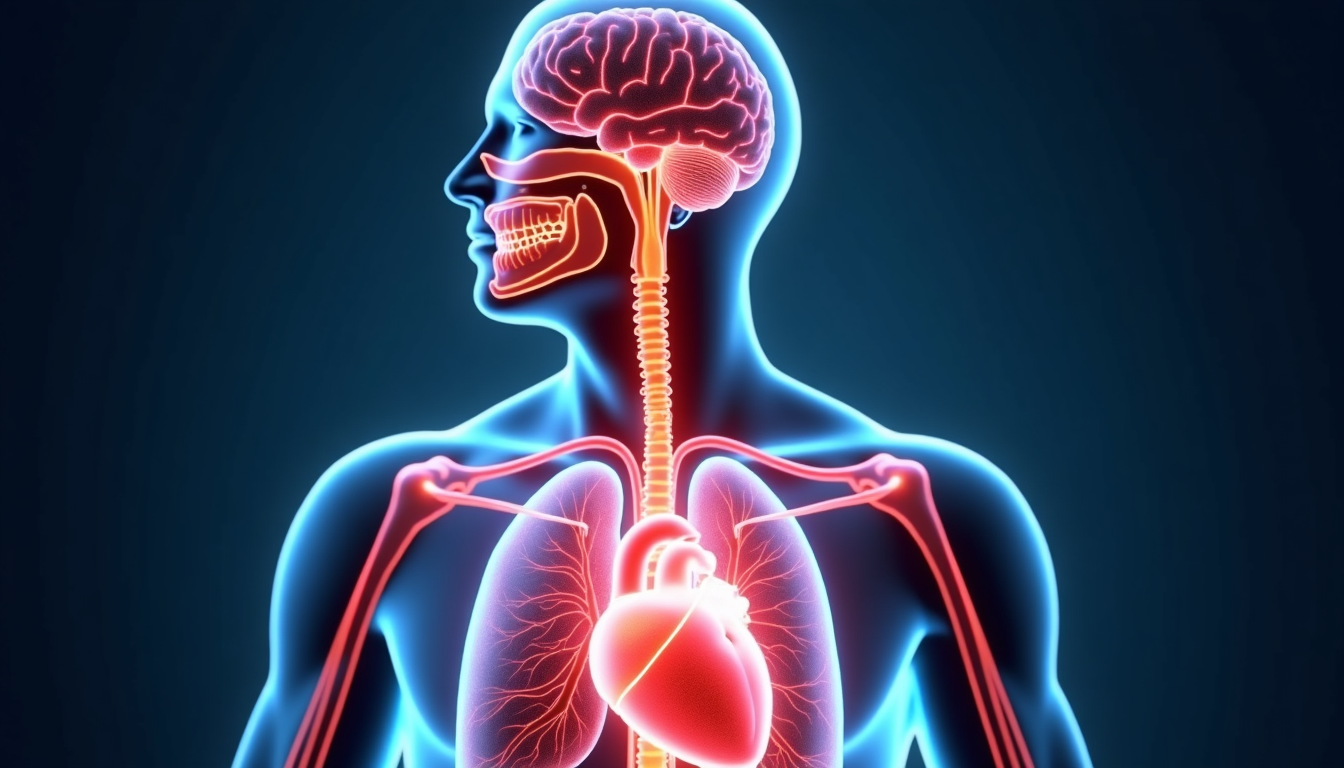
This is the physiological bedrock of all breathwork. However, traditional approaches often prescribe universal formulas—"inhale for 4, hold for 7, exhale for 8." While effective for many, this "one-size-fits-most" model misses a crucial point: individual differences in physiology, stress response, and lung capacity mean the optimal breathing pattern varies, highlighting a gap in 'one-size-fits-all' approaches. The 4-7-8 pattern might over-stimulate one person while underwhelming another. This is the gap that breathwork personalization through measurement seeks to fill.
III. The Biomarker Toolkit: What We Can Measure for Breath Optimization
The power of data-driven breathwork lies in tracking specific, quantifiable signals. These respiratory biomarkers, captured by wearables and dedicated devices, provide the objective feedback needed to move from guessing to knowing.
- Primary (Direct) Respiratory Biomarkers: These are the core signals from your breathing itself.
- Respiratory Rate (RR): The number of breaths per minute. It's the foundational metric, with a direct correlation to ANS arousal.
- Tidal Volume & Minute Ventilation: How much air you move per breath (tidal volume) and per minute (minute ventilation). Tracking depth helps identify dysfunctional patterns like chronic hyperventilation (over-breathing) or shallow breathing.
- Inspiration/Expiration Ratio (I/E Ratio): The relative length of your inhale versus your exhale. This is the heart of most techniques. Generally, a longer exhalation promotes parasympathetic (calming) activation.
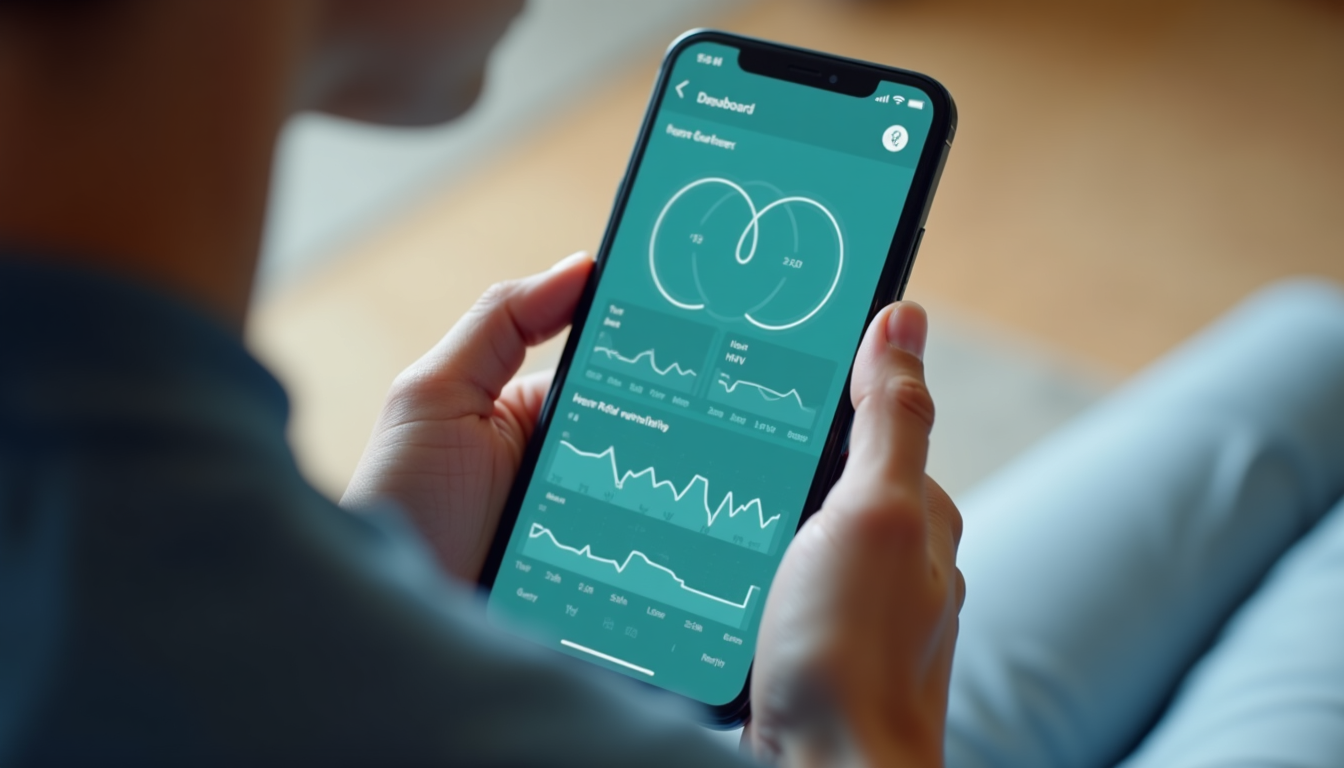
- Derived & Correlated Biomarkers: These are physiological responses directly influenced by breath.
- Heart Rate (HR): The most immediate downstream effect.
- Heart Rate Variability (HRV): The gold-standard proxy for ANS balance and resilience. High HRV indicates healthy adaptability.
- Blood Oxygen Saturation (SpO2): Measured via pulse oximeter, this is crucial for practices involving breath-holds or hypoxia.
- Carbon Dioxide (CO2) Tolerance: An advanced metric related to how your body responds to increased CO2 levels.
IV. The Optimization Framework: Matching Biomarkers to Breathwork Goals
With our biomarkers defined, we can now craft a targeted, data-driven practice. Instead of a single technique, think of a menu of protocols, each chosen based on your desired outcome.
| Breathwork Goal | Target Biomarkers | Data-Driven Protocol |
|---|---|---|
| Rapid Calm (Activate Parasympathetic) |
Lower RR, Increase HRV, Lower HR, Longer Exhalation | Biomarker-Triggered Coherence Breathing: Use real-time HRV feedback to find your personal resonance frequency (often 4.5-6.5 breaths per minute) and maintain it — Frontiers in Neuroscience. |
| Focused Alertness (Balance Sympathetic Tone) |
Moderate, Steady RR; Sustained HRV; Stable HR | Box Breathing with Variability Monitoring: Use equal inhale-hold-exhale-hold cycles while watching HRV trends to find the optimal duration for sustained focus. |
| Energy & Resilience (Stress Inoculation) |
Controlled high RR followed by rapid recovery (low RR, high HRV) | Interval Breath-Hold Training: Use SpO2 and HR data to safely guide cycles of controlled hyperventilation and breath-holds, measuring recovery time. |
Let's delve deeper into the Rapid Calm protocol, as it best exemplifies the power of personalization. The common advice is to breathe at 6 breaths per minute (0.1 Hz). However, research on resonance frequency training shows it does not always reward 6 bpm because the resonance frequency may be lower or higher. Your body has a unique "sweet spot" where the rhythm of your breath creates the largest, most harmonious oscillation in your heart rate and blood pressure, maximizing HRV and promoting a powerful calming effect. Finding this personal resonance frequency is the essence of data-driven coherence breathing.
V. Building Your Personal Breath Profile: A Step-by-Step Guide
Creating your personalized breath protocol is a systematic, four-step process of self-discovery. The central premise is that the adult cardiorespiratory system has a fixed resonance frequency, which can be identified through systematic testing.
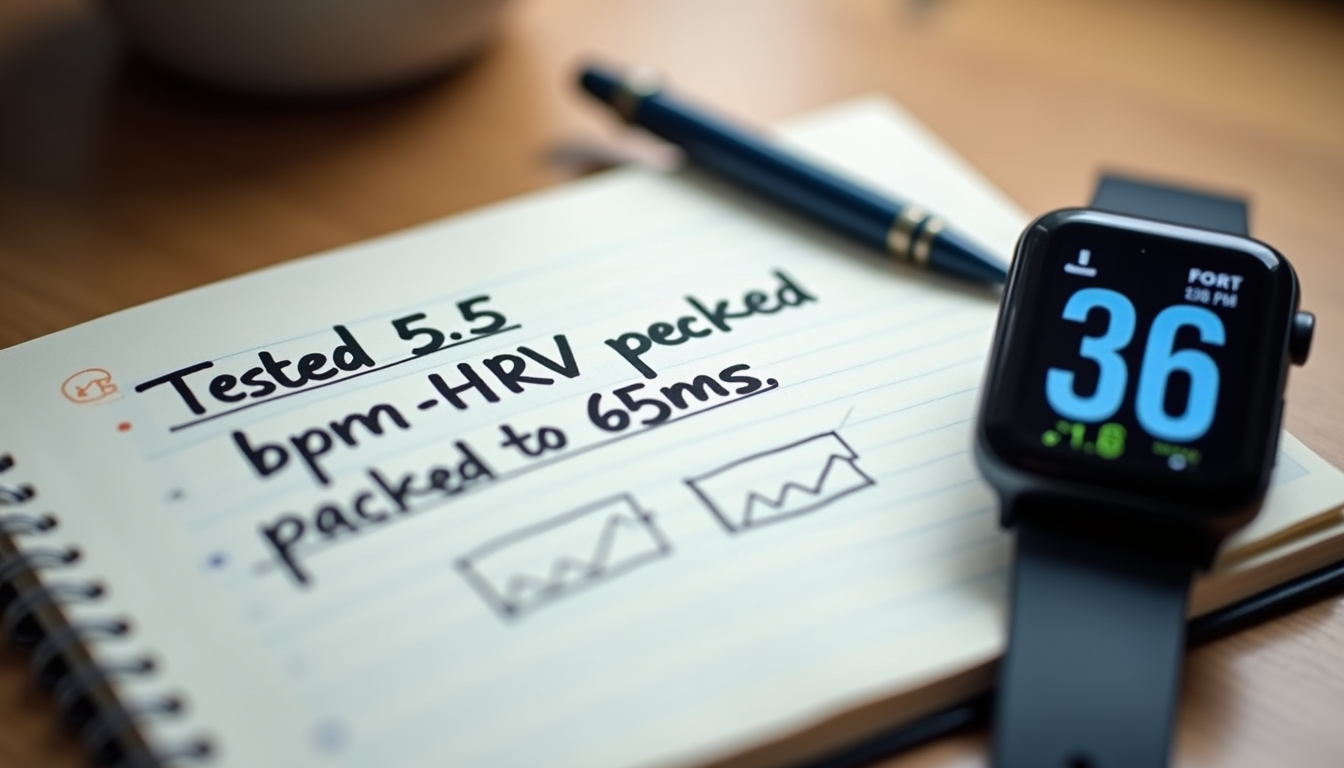
Step 1: Baseline Measurement. Before manipulating your breath, you need to know your starting point. For 3-5 minutes, sit quietly and breathe normally while recording your resting respiratory rate, heart rate, and HRV. This establishes your neutral ANS state. For a broader look at using this kind of data, our guide on your nervous system data: optimize recovery & resilience offers complementary strategies.
Step 2: Experimental Protocol Testing. This is the core research phase. Over several sessions, systematically try different breathing techniques while recording your biomarker responses. A research-backed method to find one's resonance frequency involves breathing at paced rates from 6.5 down to 4.5 breaths per minute in 0.5-bpm steps (e.g., 6.5, 6.0, 5.5, 5.0, 4.5). Spend 2-3 minutes at each rate while monitoring HRV and RSA amplitude (the peak-to-trough heart rate difference across the breathing cycle). Phase synchrony (alignment of heart rate and respiration peaks) is also a key criterion.
Find Your Resonance Frequency
Systematically test paced breathing from 6.5 to 4.5 bpm. Your resonance frequency is the rate that produces the greatest amplitude in heart rate oscillations (maximizing Respiratory Sinus Arrhythmia and HRV). Patterns of physiological change must be compared across several breathing rates to evaluate candidate resonance frequencies.
Identify Personal Triggers
Discover which parameter—I/E ratio, absolute pace, or depth—most powerfully shifts your nervous system. You might find, "Extending my exhalation to 7 seconds drops my heart rate 10 BPM," or "A 5.5-second inhale/exhale cycle maximizes my HRV."
Long-Term Tracking
Use weekly trend data (morning HRV, resting HR) to observe cumulative benefits. An individual's resonance frequency is a stable, personal trait, as protocols for identifying it have shown acceptable reliability over time — Frontiers in Neuroscience.
Step 3: Identifying Personal Triggers & Optimal Patterns. Analyze your experiment data. Which pattern yielded the highest HRV? The quickest drop in heart rate? This becomes your go-to "calm" sequence.
Step 4: Long-Term Tracking & Iteration. Your nervous system adapts. Use weekly trends in your baseline biomarkers to assess progress and refine your practice over months and years.
VI. Cautions & Considerations for Safe, Effective Practice
As with any powerful tool, data-driven breathwork requires mindful application.
⚠️ Technology as a Guide, Not a Guru
The primary danger is developing "biomarker anxiety"—constantly checking your device and stressing over a single low HRV reading. The data is meant to inform and guide your practice, not become the source of it. The ultimate goal is to develop such refined internal awareness that you can sense these shifts without the device.
Safety First: Certain breathwork practices, especially those involving intense breath-holds or hyperventilation, are not suitable for everyone. They can be dangerous for individuals with cardiovascular issues, hypertension, pregnancy, or epilepsy. Always consult a healthcare provider before beginning a new, intensive practice.
Data Hygiene: Consumer-grade sensors (like optical HR on smartwatches) are excellent for tracking trends but can be inaccurate for moment-to-moment, absolute measurements. Focus on the direction and magnitude of change during a session, not the absolute number. A rising HRV trend over weeks is more meaningful than a single reading.
The Integration Imperative: Data-driven breathwork is not about becoming a breathing robot tied to a screen. It's a training phase. Use the insights to build a personalized, intuitive practice you can deploy anywhere—before a big presentation, to unwind at night, or to re-focus during a slump. Measure to learn, then internalize to live. This philosophy of using personalized data extends to other key areas of health, such as unlock holistic health: optimizing your gut microbiome.

Ready to Optimize Your Breath?
By bridging ancient wisdom with modern science, you gain not just a technique, but a precise, personal key to unlocking states of calm, focus, and resilient vitality. Start your journey by measuring your baseline and exploring one protocol today. To begin tracking your own biomarkers and personalizing your health, we invite you to register for the health tracking platform.