The Invisible Variable: Optimizing Cognitive & Physical Performance Through Fluid Balance
The pivotal business presentation was going smoothly until a critical figure vanished from the speaker’s mind. A cyclist in a grueling race suddenly feels their legs turn to lead. A student stares blank at an exam paper, the studied concepts just out of reach. Often, the culprit is not a lack of preparation, fitness, or intelligence. It’s a subtle, invisible variable: a deficit in fluid balance.
We all know we should drink water. But emerging data reveals a far more compelling truth: hydration is not just a health suggestion; it’s a precise, measurable lever for optimizing human performance. The new paradigm shifts from "drinking enough" to managing "fluid balance"—a dynamic biomarker that directly governs how we think, move, and recover.

Part 1: The Physiology of Hydration – More Than Just Quenching Thirst
1.1 The Body’s Fluid Ecosystem: Electrolytes and Homeostasis
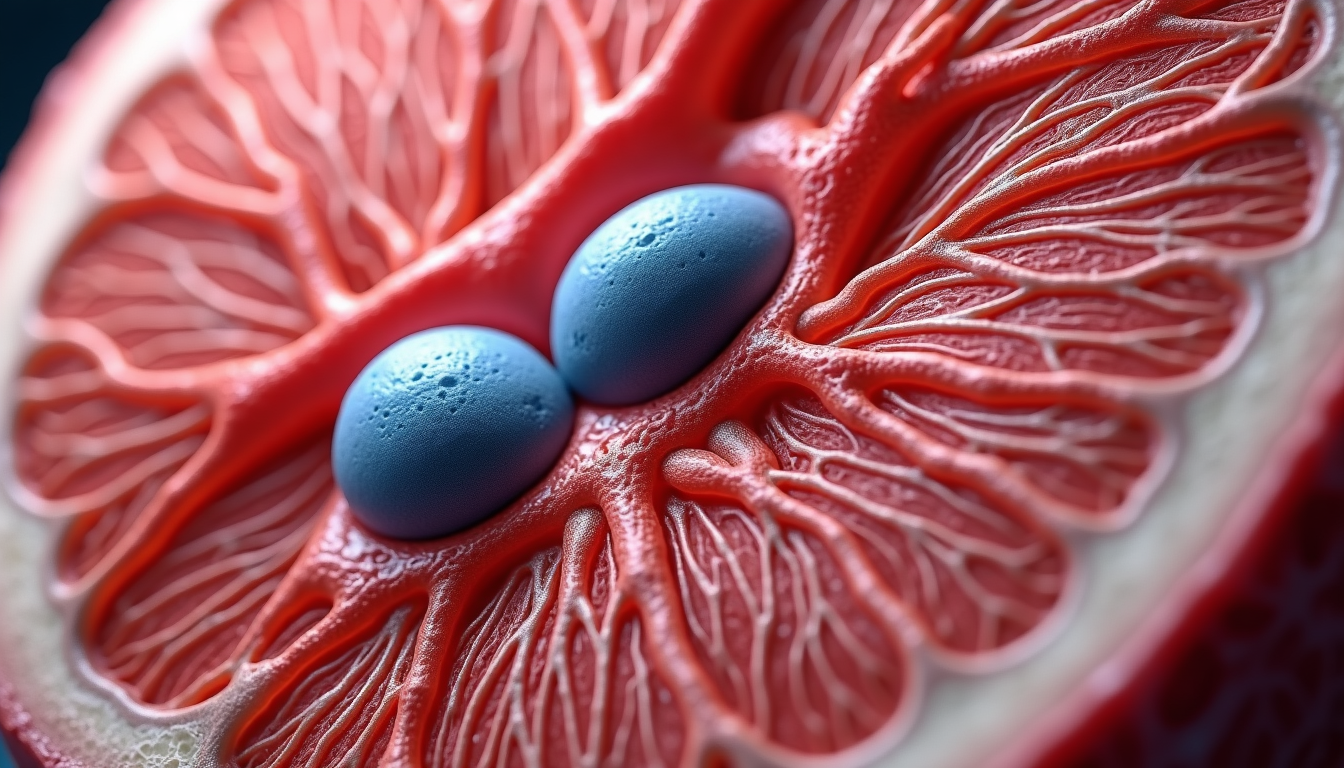
Water is the essential medium for every biological process. The human body maintains a sophisticated fluid ecosystem, divided into intracellular fluid (inside cells) and extracellular fluid (outside cells, including blood plasma). This fluid is a complex solution of electrolytes—primarily sodium, potassium, chloride, and magnesium—that create electrical gradients for nerve impulses, drive muscle contractions, and regulate balance. The kidneys act as master regulators, constantly adjusting to maintain homeostasis.
1.2 The Brain in a Drought: Cognitive Impairment from Dehydration
The brain, composed of about 75% water, is exquisitely sensitive to fluid shifts. Research consistently shows that even mild dehydration, defined as a 1-2% loss of body mass, impairs cognitive performance and mood. This level of loss is easily achievable through a morning of work without a water break or a light workout, a finding supported by research published in the British Journal of Nutrition.
Loss of body mass from fluid is enough to impair cognition and mood, according to research on mild dehydration.
Cognitive domains most affected include attention, executive function, and motor coordination. Mood also degrades, with studies noting increased fatigue, tension, and anxiety, alongside a reduction in vigor. These effects act as a silent drag on productivity and decision-making.
1.3 The Physical Body Under Strain: How Dehydration Impacts Performance
Physically, the impact is equally dramatic. As dehydration begins, blood volume decreases. The heart must work harder to maintain blood pressure and deliver oxygen to muscles, increasing heart rate and perceived exertion. Thermoregulation falters as the body struggles to produce sweat, raising core temperature and accelerating fatigue. Muscle metabolism becomes less efficient, and the risk of cramps and injuries rises. Optimizing the energy systems within your cells, as detailed in our guide on harnessing the mitochondrial advantage, is heavily dependent on proper hydration to function at its peak.
Part 2: The Data Frontier – Precisely Tracking Fluid Balance
2.1 Beyond the Guesswork: Why Thirst Isn't Enough
Relying on thirst is a flawed strategy; it’s a lagging indicator that activates after a fluid deficit has already occurred. Urine color, while useful, is influenced by diet and medications. To move from guesswork to precision, we need objective data.
2.2 Modern Hydration Tracking Tools for Performance
The era of generic advice is over, replaced by personalized, data-driven insights:
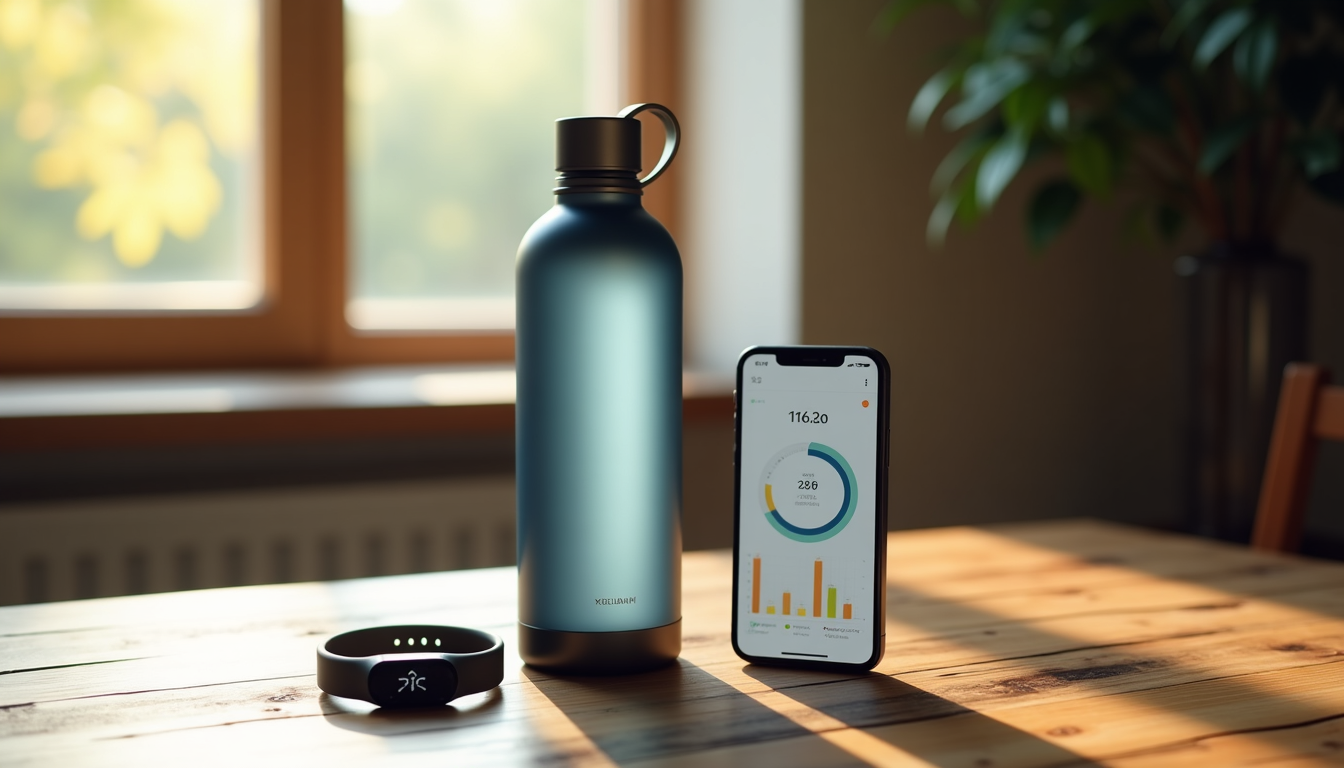
- Biomarker Trackers: Wearable patches and devices estimate sweat rate and electrolyte loss. Smart water bottles log intake, syncing with smartphones.
- Physiological Sign Apps: Apps provide standardized urine color charts. The most reliable low-tech method remains tracking daily morning body weight (after using the bathroom and before eating), as acute changes primarily reflect water balance.
- Contextual Data Integration: Future tools will merge data from your calendar, environment, and activity tracker to provide proactive hydration nudges.
2.3 Creating Your Personalized Hydration Profile
This data converges to create a personalized hydration profile. Needs vary massively based on body size, activity, climate, and diet. A baseline established through consistent tracking becomes the foundation for understanding your unique "top-up" requirements.
Part 3: Cognitive Performance – Sharpening the Mind with Optimal Hydration
3.1 The Dehydrated Decision-Maker: The Real Cost
The costs of mild dehydration are significant. Studies link it to reduced concentration, slower reaction times, and higher error rates. For knowledge workers, this translates to more time spent on tasks, reduced creativity, and poorer output. In safety-critical fields like aviation or surgery, the implications are severe. To explore a broader set of strategies for mental acuity, including nootropics and nutrition, see our article on biohacking for cognitive enhancement.
3.2 Case in Point: The Strategic Sip for Mental Focus
Imagine a trader analyzing complex markets or a programmer debugging code. By viewing hydration as cognitive fuel, they can adopt a strategic approach. Data might show low intake during a deep-work session correlates with an afternoon crash. The insight becomes "consume 500ml in the hour before a critical cognitive task to ensure optimal brain hydration during peak demand."
Optimal Hydration Strategy for Mental Work
For sustained focus, prevent a deficit from forming. Aim to sip **150-250ml of water every hour** during sedentary work. Adding a pinch of salt or choosing an electrolyte-enhanced water can aid fluid retention, especially if you consume caffeine.
3.3 A Practical Hydration Protocol for Cognitive Performance
A data-informed cognitive hydration strategy: 1. Establish a Baseline: Track your normal fluid intake and morning weight to find your "maintenance" level. 2. Pre-Hydrate: Consume 400-500ml of water upon waking and before important mental tasks. 3. Schedule Sips: Set a reminder to drink every 45-60 minutes during work. Use a marked bottle. 4. Contextualize: Increase intake on high-stress days, when consuming caffeine, or in dry environments.
Part 4: Physical Performance – Fueling Movement Precisely
4.1 The Athletic Edge: How Fluid Balance Powers Performance
In athletics, the margin for victory is often infinitesimal. Precise fluid balance maintains blood volume, allowing for maximum oxygen delivery, optimal muscle function, and efficient cooling. The goal is to minimize body mass loss from dehydration during exercise, typically aiming for less than a 2% reduction.
4.2 Case in Point: The Elite Hydration Playbook
Elite sports teams use sweat patch testing to analyze an athlete's individual sweat sodium concentration and loss rate. This data informs personalized hydration plans for training and competition. For athletes, hydration timing works synergistically with nutrition; learn more about synchronizing fuel with activity in our guide on meal timing for athletes.
🏃♂️ For Endurance Athletes
Focus on pre-hydration, fluid/electrolyte intake during activity based on sweat rate, and aggressive post-exercise rehydration.
🏋️♀️ For Strength & Power
Ensure baseline hydration for optimal nerve conduction and muscle contraction. Even minor deficits can reduce power output and increase injury risk.

4.3 A Practical Hydration Protocol for Physical Activity
Amateur athletes can adopt a scaled-down version: 1. The Sweat Test: Weigh yourself naked before and after a typical workout. Every kilogram lost equals roughly one liter of fluid sweat. 2. The Replacement Goal: Aim to replace 70-80% of lost fluids during the activity. 3. Electrolyte Intelligence: For intense sessions over 60-90 minutes, or in heat, use an electrolyte drink. 4. Recovery Metrics: Monitor morning weight and urine color post-exercise to gauge rehydration success.
Part 5: Integrating the Data – A Holistic Performance Approach
5.1 The Synergy of Systems: Hydration, Sleep, and Recovery
Optimal fluid balance creates a virtuous cycle. Proper hydration supports restorative sleep. Quality sleep improves cognitive function and physical recovery, making you more attuned to your body’s hydration signals. For a deep dive into optimizing your sleep cycles, consider reading our article on biohacking sleep architecture.
5.2 The Daily Hydration Dashboard
A simple daily dashboard provides powerful insights for performance optimization: * Morning Weight: Your most reliable hydration snapshot (track trends). * Urine Color: Aim for "pale straw." * Intake vs. Context: Log not just volume, but the context—was it a sedentary day, a long run, or a flight?
5.3 Avoiding Analysis Paralysis: Start Simple
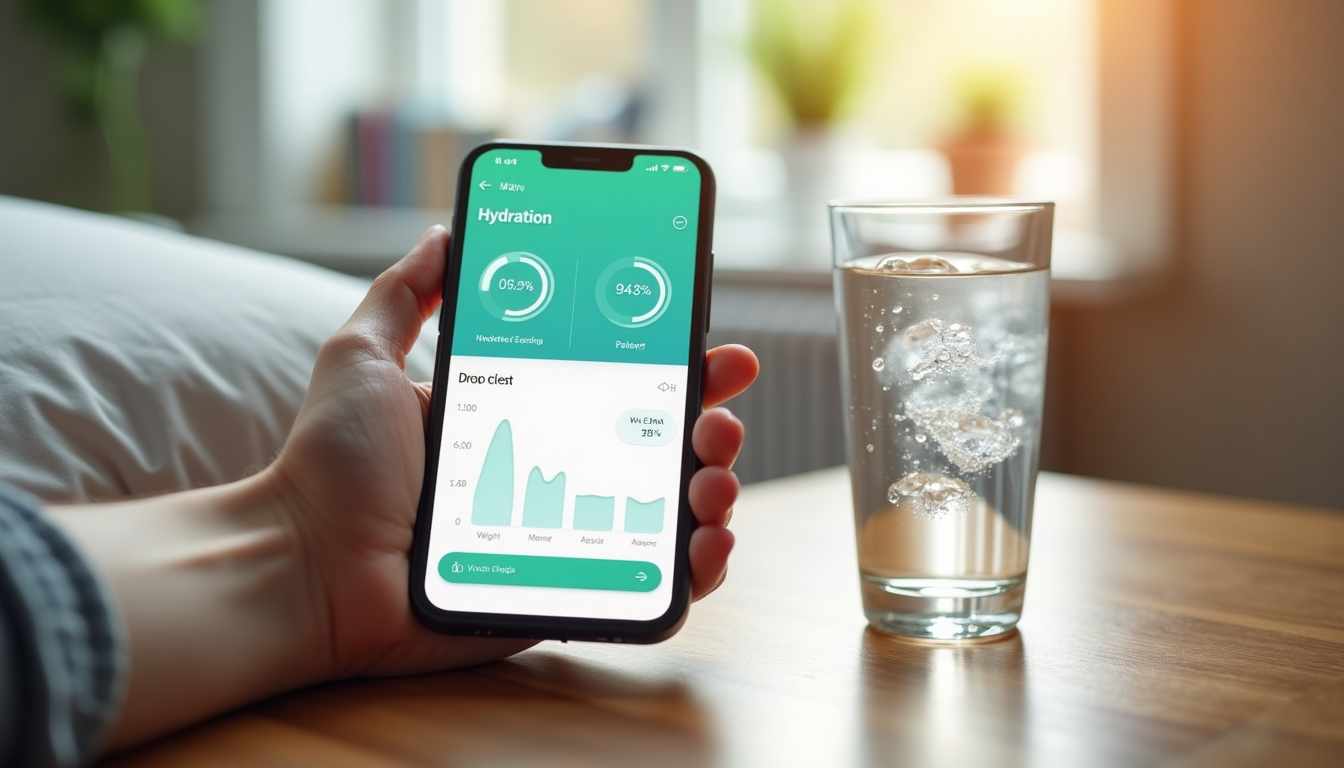
The goal is awareness, not obsession. Start with one simple metric for two weeks:
Choose One Signal
Pick consistent morning weigh-ins OR using a marked water bottle to ensure you finish it daily.
Notice the Correlation
Observe how that metric relates to your energy, focus, and physical performance.
Adjust and Add
Make one small adjustment based on what you learn. Add a second metric only if helpful.
Hydration as a Keystone Performance Habit
Hydration is far more than a box to check. It is a quantifiable, foundational pillar of human performance—a keystone habit that, when managed with intention, supports and enhances everything we do.
“By paying attention to the hidden data in our fluid balance, we gain a simple yet profound tool to enhance our daily mental sharpness and physical vitality.”
The future points toward even greater personalization, with AI synthesizing data to deliver hyper-personalized guidance. But you don’t need to wait. Start today by listening to the data your body provides. Track your weight, observe your urine, note your mental clarity. Turn the simple act of drinking water into a strategic investment in your peak performance.
⚠️ The Hyponatremia Warning
While dehydration is common, over-hydration with plain water—hyponatremia—is a serious, potentially fatal risk, especially for endurance athletes. It occurs when sodium levels in the blood become dangerously diluted. Key Prevention: For prolonged exercise (typically >2 hours), ensure your fluid intake includes electrolytes and is guided by your sweat rate, not just thirst.
Ready to Optimize Your Fluid Balance?
Begin your data-driven hydration journey. Pick one metric—morning weight or a daily water goal—and track it for the next 14 days. Observe the impact on your cognitive focus and physical energy. For a holistic approach, integrating fluid balance with other key health metrics, create your free account and start tracking your performance today.