Introduction
We often chase fitness gains through sweat and effort, but what if the key to unlocking your next personal best isn't just in the gym? It’s in your bed. The powerful connection between sleep quality and workout performance is profound, yet frequently overlooked. Understanding how sleep affects athletic performance is critical for any fitness journey. True recovery—where your body repairs, strengthens, and adapts—is predominantly a nocturnal activity. By strategically leveraging data from your sleep patterns, you can move beyond guesswork to optimize your exercise timing, transforming rest from a passive state into an active tool for enhancing athletic performance, accelerating muscle recovery, and achieving better fitness results. This definitive guide explores the science behind this connection, decodes wearable fitness tracker metrics, and provides a practical framework for aligning your training schedule with your body's nightly recovery report.
The Science of Sleep and Recovery: More Than Just Rest
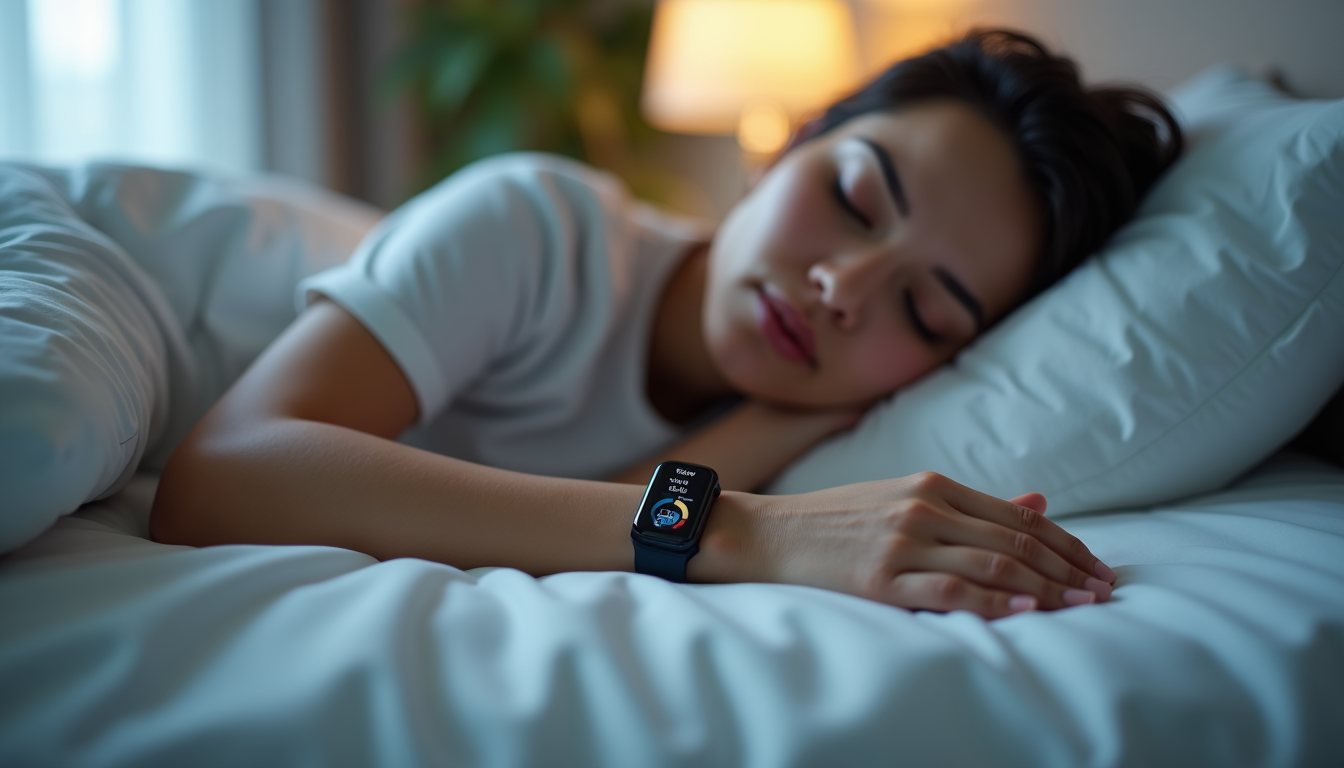
Sleep is far from a period of inactivity. It's a dynamic, essential physiological state where your body shifts into high-gear repair and restoration mode. This sleep and recovery process is foundational for athletes. During deep NREM sleep (Stage N3), critical physical recovery occurs, including muscle growth, tissue repair, and immune system strengthening. This stage is also the primary time for the secretion of human growth hormone (HGH), which is essential for muscle development and repair— Sleep Foundation.

Simultaneously, your brain is hard at work. During REM sleep, it processes information and consolidates memories—a process vital for learning new motor skills or mastering complex lifts— Sleep Foundation. Sleep also acts as the brain's cleanup crew, clearing metabolic waste to support cognitive function and exercise readiness— Sleep Foundation.
Beyond these cellular processes, sleep is the foundation of your circadian rhythm—your body's internal 24-hour clock. This rhythm regulates core body temperature, hormone release, and energy metabolism, creating predictable daily windows for peak physical performance. For a deeper understanding of how to align with this powerful cycle, explore our guide on Unlock the Power of Circadian Rhythm: Your Path to Better Health. Ignoring this biological blueprint can lead to subpar workouts, increased injury risk, and sluggish motivation. Quality sleep biologically prepares your body's systems to perform at their best.
The Nightly Repair Shop
During deep sleep, your body isn't just resting—it's in full repair mode. This stage is when essential recovery processes like muscle tissue repair, protein synthesis, and the release of growth hormone primarily occur— Sleep Foundation. This is the biological foundation that makes your workouts effective and drives **muscle recovery during sleep**.
What Your Sleep Data Actually Tells You About Recovery
Modern wearables and sleep tracking apps provide a dashboard of your nocturnal health. But what do these numbers truly mean for your training? Learning to interpret sleep tracker data for athletes is the first step to gaining actionable insight for your fitness plan.
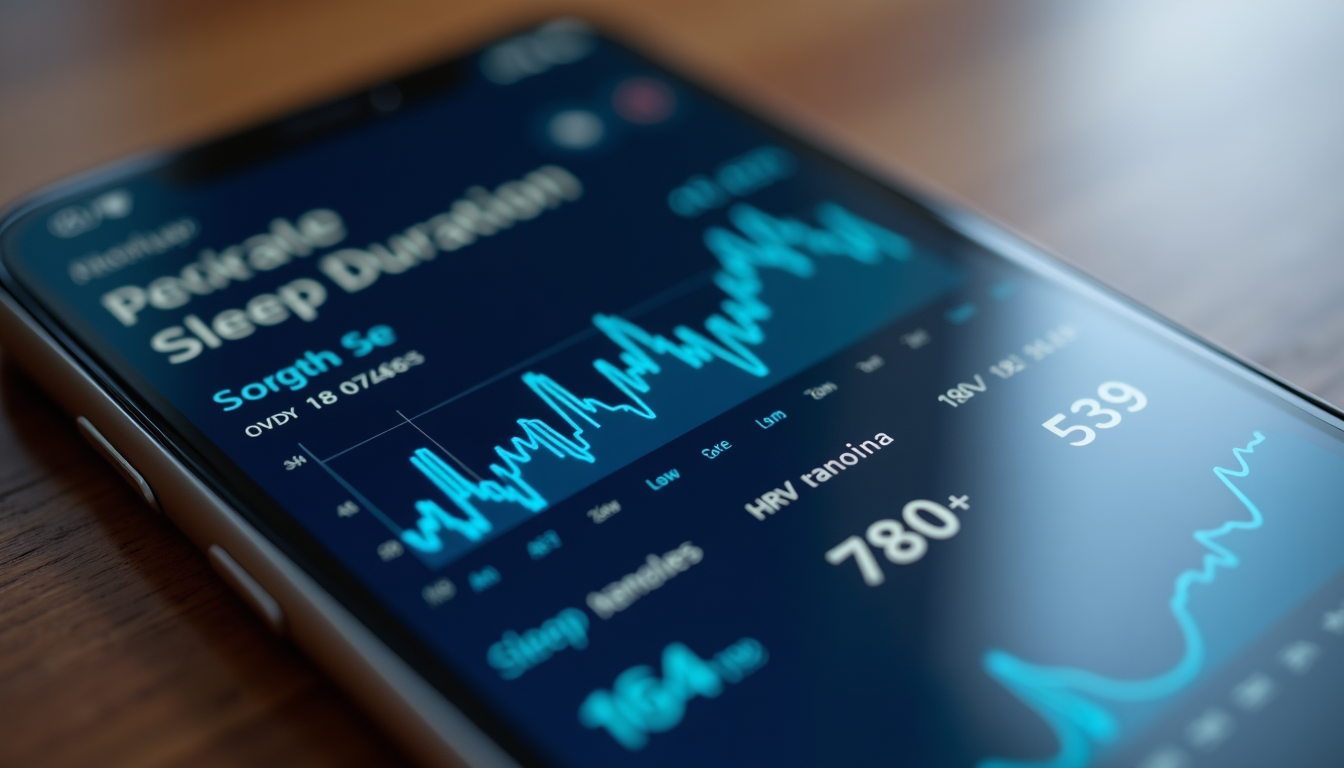
- Sleep Duration & Sleep Stages: Total sleep time is a starting point, but composition matters. Deep sleep (Slow-Wave Sleep) is your physical restoration phase, while REM sleep is crucial for mental recovery and motor skill consolidation— Sleep Foundation. Consistently short duration or low deep/REM sleep suggests incomplete recovery.
- Sleep Consistency & Regularity: Going to bed and waking up at wildly different times disrupts your circadian rhythm. High consistency supports a stable internal clock and predictable energy levels for training.
- Resting Heart Rate (RHR) & Heart Rate Variability (HRV): These are powerful indirect indicators of recovery status. A lower-than-normal RHR and a higher HRV typically signal good recovery and autonomic nervous system (ANS) balance. Tracking HRV trends is a key method to Unlock Peak Performance and Stress Resilience with Heart Rate Variability. A spiked RHR or plummeting HRV often indicates stress, fatigue, or impending illness.
- Sleep Latency & Disruptions: How long it takes to fall asleep (latency) and how many times you wake up can point to stress, poor sleep hygiene, or external factors affecting recovery.
Interpreting these key sleep metrics for athletes requires looking at trends, not single nights. A one-off bad night is normal; a week of declining HRV and rising RHR is a clear signal from your body to pull back and prioritize rest.
Using Sleep Data to Intelligently Schedule Your Workouts
Armed with an understanding of your sleep metrics, you can adopt a flexible, responsive training approach. Think of it as a daily traffic light system for exercise planning based on sleep data, guiding your workout intensity for optimal results.
“By leveraging sleep data, you can strategically time your exercise to transform rest from a passive state into an active tool for enhancing performance and preventing workout overtraining.”
- The "Green Light" Day: Your data shows optimal sleep (7-9+ hours, good deep/REM, high HRV, low RHR). This is a day to go hard. Your body is fully recovered and primed for high-intensity interval training (HIIT), heavy strength sessions, or speed work. Your circadian peak (often late afternoon) is the ideal window for high-performance workouts.
- The "Yellow Light" Day: The data is suboptimal (short sleep, low HRV, high RHR, frequent disruptions). This calls for strategic modulation. Dial down the intensity. Focus on moderate-paced cardio, technique drills, or mobility work. The goal is to maintain movement without adding significant new stress.
- The "Red Light" Day: The data is poor and you feel clear fatigue. This is a day to prioritize complete rest and recovery. The most productive thing you can do for your fitness is to skip the planned tough workout. Opt for gentle movement like walking or stretching—or prioritize an early bedtime to reset.
| Sleep & Recovery Signal | Recommended Training Action | Workout Examples |
|---|---|---|
| Green Light (Optimal Recovery) | Push intensity, focus on performance goals | Heavy lifts, HIIT, sprint intervals, max effort sessions |
| Yellow Light (Suboptimal Recovery) | Moderate intensity, focus on technique/mobility | Moderate cardio, bodyweight circuits, yoga, skill practice |
| Red Light (Poor Recovery) | Prioritize active rest & complete recovery | Walking, stretching, foam rolling, or complete rest |
Practical Steps: Building a Sleep-Informed Training Plan
Implementing this sleep-based training system requires a shift from a rigid schedule to an adaptive, intelligent one. Start with these actionable steps:
- Track Consistently: Use your wearable or app every night. Review your morning recovery data each day—pay close attention to HRV/RHR trends and overall sleep quality scores.
- Create a Flexible Workout Template: Instead of locking in "Leg Day" on Tuesday, plan a "High-Intensity Day" that can move within the week based on your green-light mornings. Have "Moderate" and "Recovery" day plans ready to deploy.
- Communicate with Coaches: If you work with a trainer, share your sleep and recovery data. A good coach can adjust your dynamic workout programming based on this objective feedback.
- Balance Data with Intuition: Wearables aren't infallible. Always cross-reference the data with subjective feeling (perceived exertion). Use data as a powerful guide, not gospel. The ultimate goal is to enhance body awareness, not replace it.
✅ Pro Tip: Start Small to Avoid Data Paralysis
Don't get overwhelmed by all the metrics. Pick one key indicator—like HRV trend or sleep duration consistency—and use it to guide your workout intensity for one week. Notice how your body responds. This simple experiment can reveal powerful insights into **personalized recovery needs**.
Case Study: How Sleep Data Transformed an Athlete's Training
Consider "Alex," an amateur triathlete who followed a strict, unyielding training plan. Despite high volume, performance plateaued, and Alex felt constantly rundown. After starting to track sleep, a clear pattern emerged: HRV would crash every Thursday morning following three consecutive hard days of training. Alex was ignoring clear overtraining and recovery signals. By switching Thursday's intense bike session to a light swim or full rest based on the data, weekly fatigue decreased dramatically. Within a month, Alex was hitting higher power outputs on "Green Light" days, experiencing fewer minor injuries, and feeling more motivated. The training volume remained similar, but its intelligent timing based on recovery led to better performance results and greater overall wellbeing.
Advanced Considerations and Limitations of Sleep Tracking
While powerful, this approach has important nuances. First, consumer sleep trackers are not medical devices. They provide useful estimates but can have inaccuracies in sleep stage detection, as noted in relevant studies on sleep tracker validation. Focus on trends over absolute precision for fitness optimization.
Second, sleep is one piece of the recovery puzzle. Nutrition, hydration, life stress, and mental load are equally critical components of overall athletic recovery. A holistic view is essential for sustainable progress. For instance, you can learn more about other key pillars like Balance Activity, Sleep, and Stress for Lasting Gains.
Finally, if your data consistently shows poor sleep despite good habits, it may be time to seek professional help. Persistent issues could indicate sleep disorders like apnea or insomnia, which require medical attention.
⚠️ Important Notice on Data Interpretation
Sleep and fitness trackers provide valuable guidance, but they are not infallible diagnostic tools. Use the data to inform trends and general readiness for workout planning, not as a substitute for medical advice or your own subjective feelings of energy and fatigue.
Conclusion: Sleep Data as Your Ultimate Recovery Coach
Sleep data is a powerful, personalized lens through which to view your recovery and plan your training intelligently. It moves you from following a generic calendar to collaborating with your body's unique biological rhythm. By learning to interpret the signals of last night's recovery, you can strategically time your effort for maximum gain and minimum risk, truly optimizing workout performance. True fitness is built not just in the gym, but in the quality of rest that allows adaptation to occur. Smart timing, informed by data, is the bridge that connects hard effort to lasting, sustainable results.
Ready to Optimize Your Training with Sleep Data?
For the next two weeks, commit to checking your sleep data each morning and letting it guide your workout intensity. Observe the difference in how you feel, perform, and recover. The first step is to start tracking consistently. Register for your free health tracking account to turn this insight into action.
To Learn More and Deepen Your Practice: Explore resources on sleep hygiene (creating an optimal bedroom environment and pre-bed routine) and circadian rhythm optimization (the impact of light exposure and meal timing) to improve the very data you're tracking.
Start tonight. Your best recovery tool for peak athletic performance is already on your wrist.